Why Your Car Won’t Start But Has Power
When your car has power but refuses to start, it usually means the electrical system is partially working, but one critical component in the starting process has failed. This situation is extremely common in modern US vehicles because today’s cars rely on a complex interaction between electronics, sensors, and mechanical parts just to start the engine.
Seeing dashboard lights, hearing the radio, or noticing headlights working can make you think the battery is fine. In many cases, it is not the battery alone causing the problem. Instead, the issue often lies in how power is being delivered to the starter motor or how the vehicle’s internal systems are communicating with each other.
Understanding this distinction is important because it helps narrow down whether the problem is minor, like a loose connection, or more serious, like a failing starter or fuel system issue.
When the Starter Motor Begins to Fail
One of the most common reasons a vehicle won’t start even though it has electrical power is a failing starter motor. The starter is responsible for physically turning the engine so combustion can begin. When it starts to wear out, it may no longer have enough strength to crank the engine even though the battery is supplying power.
In many cases, drivers notice a single click or repeated clicking sound when turning the key or pressing the start button. This is often the starter trying to engage but not having enough power to complete the job. Over time, internal components inside the starter wear down due to heat and repeated use, especially in vehicles driven frequently in heavy traffic or used for short trips.
Eventually, the starter stops functioning entirely, leaving the vehicle with full electrical power but no engine response.
Battery Power Doesn’t Always Mean Battery Health
A battery can still power lights and electronics while being too weak to start the engine. This is because starting the engine requires a much higher burst of energy than running accessories. Even a slightly weakened battery may still appear functional until the moment you try to start the car.
This is especially common in older batteries or those exposed to extreme temperatures. In colder regions of the United States, battery performance drops significantly during winter. In hotter states, constant heat exposure slowly degrades battery capacity over time.
So even when everything inside the car seems normal, the battery may no longer have enough cranking strength to turn the engine over.
Corrosion and Loose Connections That Interrupt Power Flow
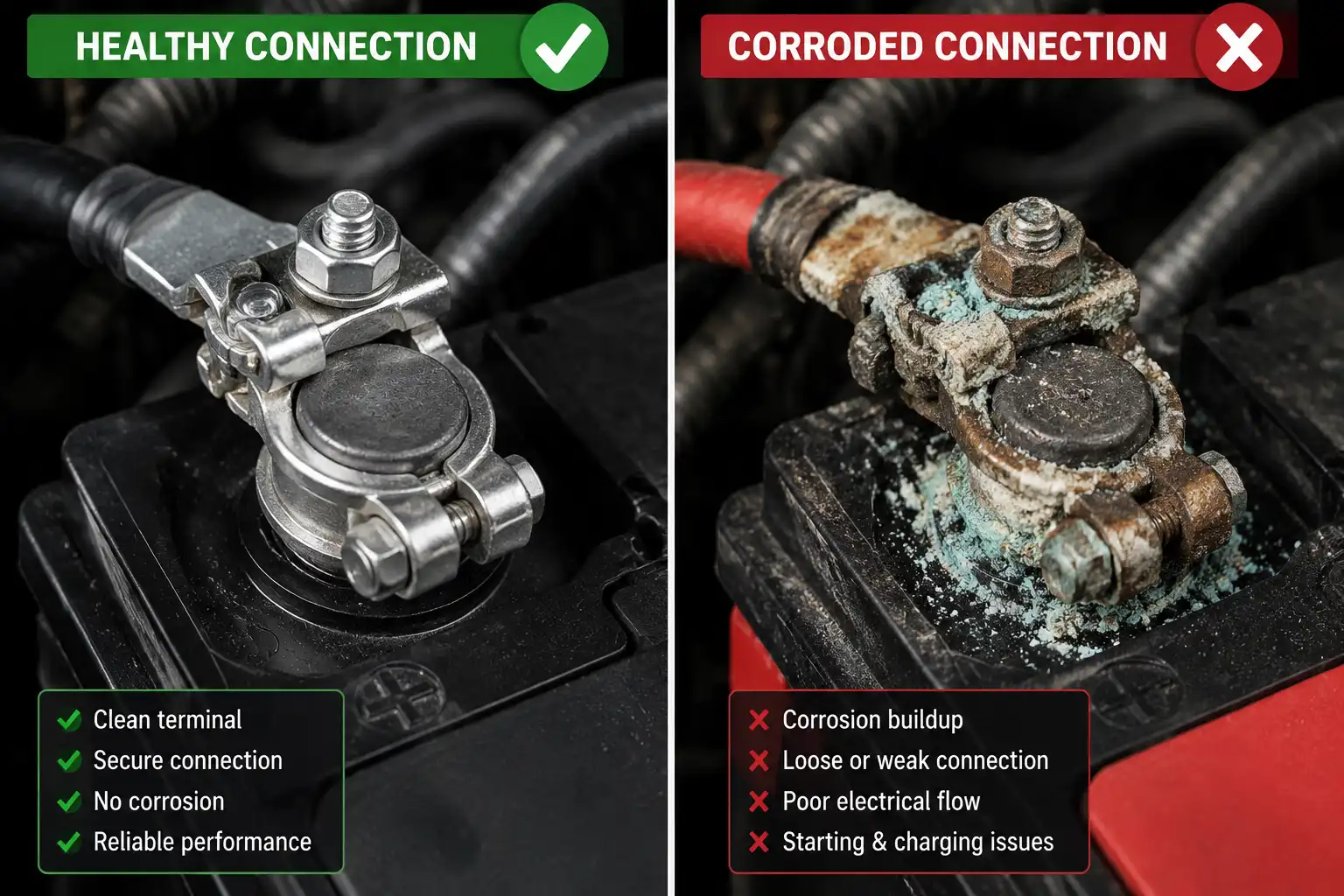
Another often overlooked issue is poor electrical connection at the battery terminals. Corrosion buildup or slightly loose cables can prevent the full flow of electricity needed to engage the starter motor. What makes this tricky is that the car can still show full electrical power for lights and electronics, which require far less energy.
However, when the starter demands a large surge of power, that weak connection becomes a major problem. This is why cleaning battery terminals or tightening connections sometimes instantly resolves a no-start situation.
It is a simple issue, but it is frequently mistaken for a major mechanical failure.
Alternator Problems That Lead to Starting Issues
The alternator is responsible for charging the battery while the engine is running. When it begins to fail, the battery slowly loses its ability to recharge properly. Over time, this leads to inconsistent starting issues where the vehicle may start one day and fail the next.
Drivers often misinterpret this as a battery problem when the real issue is that the battery is not being replenished during driving. Eventually, the battery becomes too weak to provide the necessary power for starting the engine, even if lights and electronics still seem to work.
This creates a confusing pattern that often requires proper diagnostic testing to identify correctly.
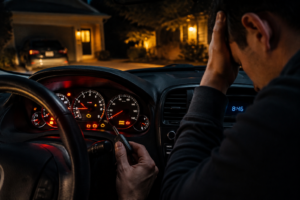
Ignition System Failures That Block the Start Signal
The ignition switch or push-start system is responsible for telling the vehicle to begin the starting process. If this system fails, the engine will not receive the signal it needs to engage, even though electrical systems remain active.
In older vehicles, worn ignition switches can cause intermittent starting issues. In newer cars, electronic ignition systems or push-button start modules may malfunction due to internal faults or sensor issues.
In both cases, the result is the same: full power inside the vehicle but no engine response.
Security Systems That Prevent the Engine from Starting
Modern US vehicles often include anti-theft immobilizer systems designed to prevent unauthorized starting. If the system does not recognize the key or detects an error, it can completely block the engine from starting.
This can happen if the key fob battery is weak, the signal is disrupted, or the vehicle’s security system glitches. In many cases, drivers are surprised because everything inside the car appears normal, but the engine refuses to respond.
Using a spare key or resetting the key fob often resolves this type of issue.
Fuel Delivery Problems That Stop the Engine From Firing
Even if the engine is turning over, it will not start without fuel reaching the combustion chamber. A failing fuel pump or clogged fuel filter can prevent proper fuel delivery, causing a no-start condition.
This type of issue is more common in high-mileage vehicles or cars that are frequently driven with very low fuel levels. Without proper fuel pressure, the engine cannot ignite, even if all electrical systems are functioning normally.
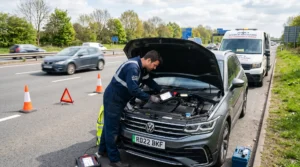
Transmission Safety Switch Issues
Automatic vehicles include a safety feature that prevents the engine from starting unless the gear shift is in Park or Neutral. If the neutral safety switch fails, the car may incorrectly think it is not in a safe gear position.
A simple way to test this is to attempt starting the vehicle in Neutral instead of Park. If it starts, the switch may need adjustment or replacement.
What You Should Do First
When your car has power but won’t start, it is best not to repeatedly attempt starting it. Instead, focus on simple checks such as ensuring the battery terminals are secure, trying a jump start, or testing the key fob.
Pay attention to any sounds when you attempt to start the engine. Clicking noises often point toward starter or battery issues, while complete silence may indicate ignition or relay problems.
When Professional Help Is Needed
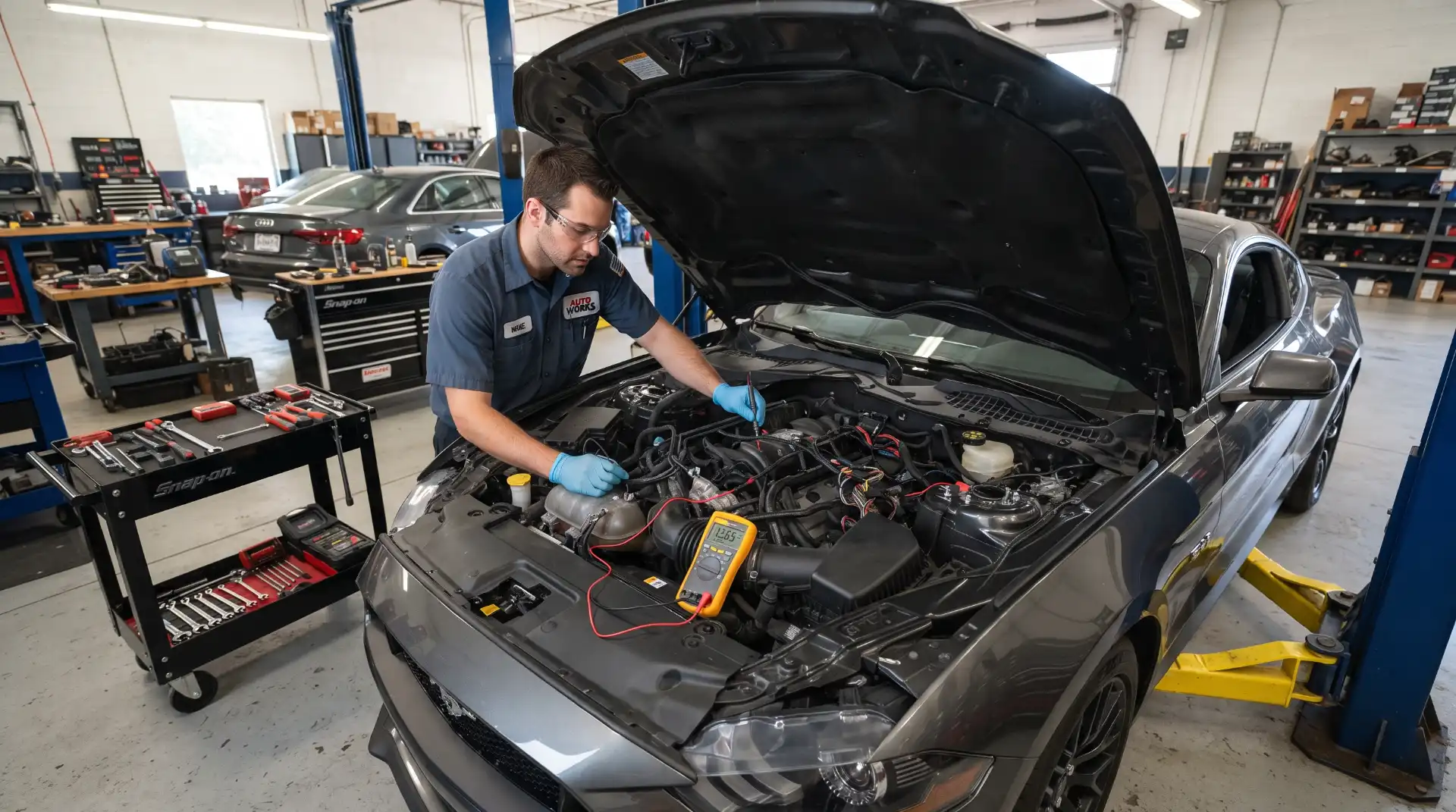
If basic checks do not resolve the issue, professional diagnosis becomes important. Modern vehicles rely heavily on electronic systems that require specialized tools to test properly.
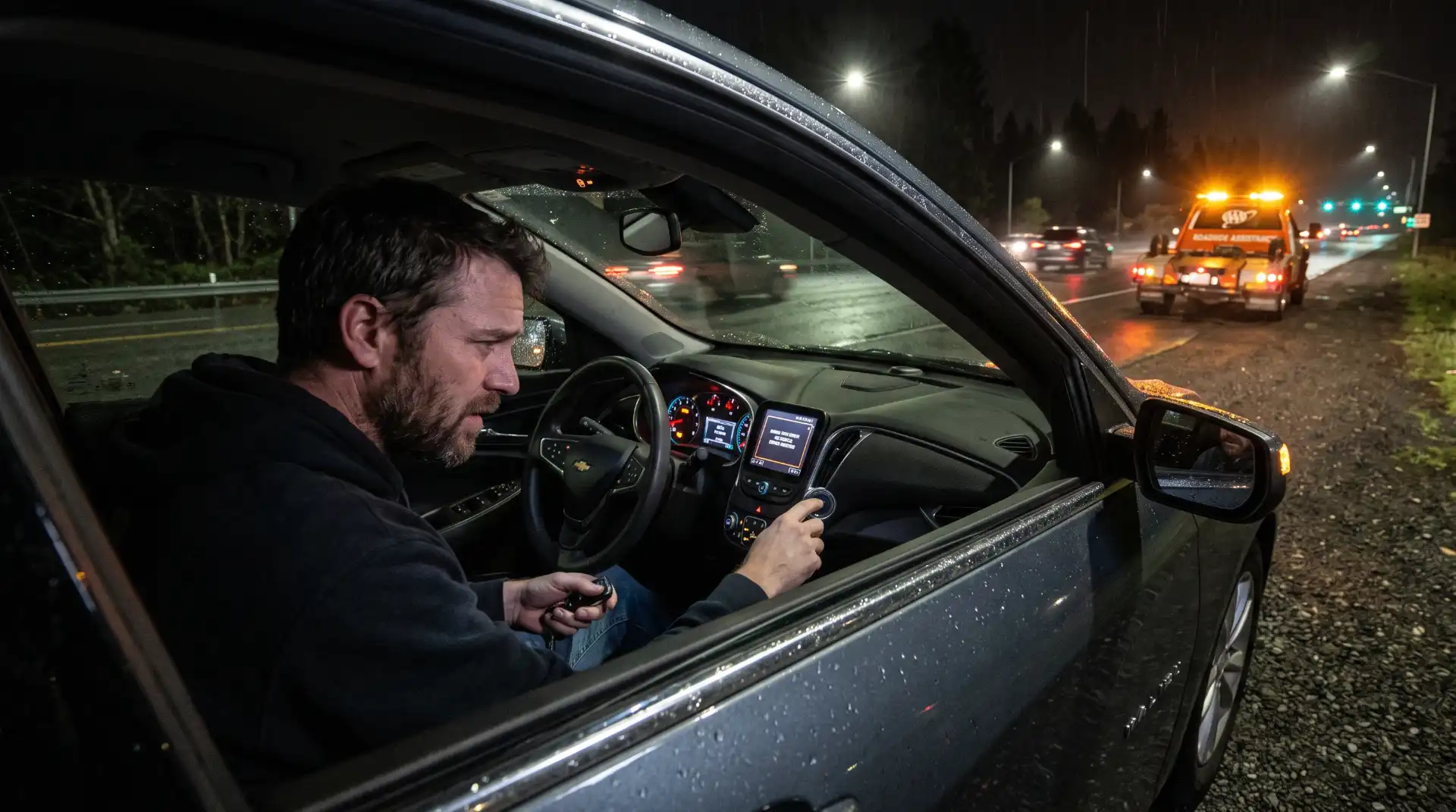
Mobile mechanics or roadside assistance services in the US can often diagnose battery, alternator, and starter issues on-site, saving time and avoiding unnecessary part replacements.
Final Thoughts
A car that won’t start but still has power is usually dealing with a problem in the starting system rather than a complete electrical failure. In most US cases, the issue is related to the starter motor, battery condition, or electrical connections.
While the symptoms can feel confusing, most causes are identifiable with basic testing or professional diagnostics. Addressing the issue early can prevent more expensive repairs and avoid being stranded unexpectedly.