Owning a car provides convenience, independence, and flexibility, but unexpected repair bills can quickly put pressure on a household budget. A dead battery, worn-out brakes, damaged tires, overheating engine, or malfunctioning electrical system can turn an ordinary week into an expensive one. For American drivers dealing with everyday expenses such as fuel, insurance, registration, and loan payments, finding ways to reduce car repair costs in 2026 is more important than ever.
The good news is that many automotive expenses can be managed through preventive maintenance, informed repair decisions, and better driving habits. Although no vehicle is completely immune to mechanical problems, drivers can often reduce avoidable wear, identify developing issues earlier, and make more confident decisions when a mechanic recommends repairs.
Saving money does not necessarily mean choosing the cheapest parts, postponing every repair, or doing complicated mechanical work at home. Those approaches can sometimes create additional expenses. The better strategy is to understand what your vehicle needs, follow its maintenance schedule, compare reasonable repair options, and address safety-related problems before they become more serious.
This guide explains practical ways to lower car maintenance and repair expenses in 2026. Whether you drive a dependable older sedan, a family SUV, a pickup truck, a hybrid, or an electric vehicle, these strategies can help you protect your transportation budget while keeping your vehicle safe and reliable.
Why Car Repair Costs Matter for American Drivers in 2026
Vehicle ownership involves more than the price paid at a dealership or through a private seller. Routine maintenance, replacement parts, labor, tires, inspections, and unexpected breakdowns all contribute to the long-term cost of driving.
A car may require relatively inexpensive maintenance for several months before suddenly needing a major repair. For example, an owner might spend money on oil changes and tire rotations throughout the year, then discover that the vehicle needs a new alternator, air-conditioning compressor, or set of brake components. These expenses can be particularly difficult for households that do not maintain a separate vehicle repair fund.
The cost of repairs also varies considerably across the United States. Labor rates in large metropolitan areas may differ from those in smaller communities. Parts availability, local taxes, vehicle age, the complexity of the repair, and the type of shop can all affect the final bill.
A common domestic sedan with widely available replacement parts may cost less to repair than a luxury vehicle with specialized electronics. An older European model might require expensive components or additional diagnostic time. A newer vehicle equipped with advanced driver assistance systems may also need calibration after certain repairs.
AAA’s guide to the cost of car ownership explains how maintenance and repairs contribute to the overall expense of keeping a vehicle on the road. Understanding these costs makes it easier to build a realistic budget rather than treating every repair as an unexpected emergency.
The goal is not to eliminate every automotive expense. Instead, drivers should focus on preventing unnecessary repairs, identifying problems early, and making cost-effective decisions when maintenance or replacement parts are needed.
1. Follow Your Vehicle Manufacturer’s Maintenance Schedule
One of the most effective ways to reduce car repair costs is to follow the maintenance schedule developed for your particular vehicle. Your owner’s manual explains which services are required, how frequently they should be performed, and which fluids and replacement parts meet the manufacturer’s specifications.
This schedule matters because vehicles differ in their mechanical designs, engines, transmissions, cooling systems, and operating requirements. Two vehicles from the same manufacturer may have different maintenance intervals because they use different engines or transmission technologies.
Some vehicles require more frequent maintenance when driven under severe conditions. These conditions may include frequent short trips, extended idling, heavy traffic, dusty roads, extreme temperatures, towing, and repeated stop-and-go driving. Drivers who primarily commute through congested cities may therefore need to follow different service intervals from people who travel mostly on open highways.
Understand time-based and mileage-based maintenance
Certain services are recommended after a specified number of miles, while others depend on elapsed time. A driver who travels only a few thousand miles annually should not automatically ignore maintenance simply because the odometer has barely changed.
Engine oil, coolant, brake fluid, and other components can deteriorate or become contaminated over time. Rubber parts may also age even when a vehicle spends much of its life parked.
Review the owner’s manual to determine whether a particular service is based on mileage, time, operating conditions, or a combination of factors. Avoid relying entirely on generic maintenance charts because they may not match your vehicle.
Avoid unnecessary maintenance packages
Following the manufacturer’s schedule does not mean accepting every service a repair shop recommends. Some shops offer maintenance packages containing useful items, while others may include services your vehicle does not currently need.
Ask which recommendations are required by the manufacturer, which are based on inspection findings, and which are optional. If a shop recommends a fluid replacement, request an explanation of the vehicle-specific interval and the condition that justifies the service.
This approach helps you avoid paying for duplicate or premature work without sacrificing important maintenance.
2. Change Engine Oil at the Correct Intervals
Engine oil reduces friction, helps manage heat, and carries contaminants away from important engine components. When oil becomes degraded or its level drops too low, the engine may experience increased wear and, in severe circumstances, major damage.
However, changing oil too frequently can waste money. The most economical approach is to use the correct oil specification and follow the maintenance interval recommended for your vehicle and driving conditions.
Use the correct oil grade
The owner’s manual identifies the appropriate viscosity and performance specifications for your engine. Using the wrong oil may affect lubrication, fuel economy, or engine operation, and it may fail to meet manufacturer requirements.
Some modern engines require specific oil formulations even when the viscosity appears similar to that of another product. Do not assume that every oil labeled for gasoline engines is interchangeable.
If you purchase oil yourself or use an independent repair shop, confirm that the product meets the vehicle manufacturer’s stated specifications.
Check the oil level regularly
Drivers should learn how to check the engine oil level when their vehicle’s design permits it. Some newer vehicles use electronic oil-level monitoring rather than a traditional dipstick, so follow the instructions in the owner’s manual.
If the oil level repeatedly drops, do not simply continue adding oil without investigating the cause. The engine may be leaking oil or consuming more than expected. Finding the underlying problem early can prevent more expensive damage.
A small leak that leaves occasional spots on a driveway may become more serious if ignored. Oil reaching hot engine components can also create smoke or an unpleasant burning smell.
Compare oil change options carefully
Dealerships, independent mechanics, quick-lube businesses, and some retailers offer oil changes at different prices. Compare the total cost, including the correct oil, filter, labor, disposal fees, and any additional services.
A low advertised price may apply only to certain oil types or vehicle configurations. Ask for the full price before approving the work.
The cheapest service is not automatically the best choice. Proper oil selection, correct installation, and reliable documentation matter more than saving a few dollars on a service your engine depends on.
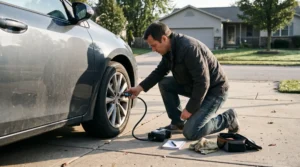
3. Maintain Your Tires to Avoid Premature Replacement
Tires are an important source of ongoing vehicle expenses. Replacing a complete set can cost hundreds of dollars or more, depending on tire size, brand, performance requirements, and vehicle type.
Proper tire maintenance can help extend tire life, support fuel efficiency, and reduce the risk of tire-related problems. According to the National Highway Traffic Safety Administration (NHTSA), maintaining correct inflation pressure can improve tire longevity and fuel economy. Its TireWise tire safety guidance explains how pressure, tread condition, rotation, and alignment affect tire performance.
Check tire pressure every month
Underinflated tires can wear unevenly, increase rolling resistance, and generate excess heat. Overinflation can also contribute to uneven wear and affect handling.
Check tire pressure at least monthly and before long road trips, preferably when the tires are cold. Use the recommended pressure listed on the driver’s door placard or in the owner’s manual, not simply the maximum pressure printed on the tire sidewall.
Temperature changes can affect tire pressure, making regular checks especially useful during seasonal transitions. A tire pressure monitoring system is helpful, but its warning light is not a substitute for routine inspections.
If one tire repeatedly loses air, have it inspected for punctures, valve problems, bead leaks, or other damage.
Rotate and inspect tires as recommended
Tire rotation helps distribute wear more evenly when the vehicle’s design permits it. The correct rotation pattern and interval depend on tire direction, wheel size, drivetrain, and manufacturer recommendations.
Some vehicles use different tire sizes on the front and rear axles, which can limit rotation options. Follow the guidance specific to your car rather than assuming every vehicle uses the same pattern.
Inspect the tread and sidewalls for uneven wear, cuts, cracks, and bulges. Uneven wear may indicate alignment problems, worn suspension parts, incorrect inflation, or another issue that should be addressed before purchasing replacement tires.
Do not postpone necessary tire replacement
Saving money by driving on dangerously worn or damaged tires is not a sensible financial strategy. Tires with insufficient tread or structural damage can compromise traction and increase the risk of a crash.
If replacement is necessary, compare tires that meet the vehicle’s required size, load rating, and performance specifications. Consider the total cost of ownership rather than focusing only on the lowest purchase price.
A reasonably priced tire with suitable durability and performance may be a better value than an unsuitable bargain that wears quickly or does not meet your vehicle’s requirements.
4. Learn to Recognize Early Warning Signs
Many expensive repairs begin with symptoms that are easy to dismiss. A small fluid leak, unfamiliar noise, vibration, warning light, or change in engine performance may indicate a developing problem.
Not every unusual sound means a major component has failed. Nevertheless, identifying the cause early can prevent minor problems from becoming more complicated.
Pay attention to dashboard warning lights
Modern vehicles use dashboard indicators to communicate potential problems with the engine, charging system, brakes, tire pressure, and other components.
A check engine light may be associated with anything from a loose fuel cap on certain vehicles to a more significant engine or emissions problem. A warning light alone does not identify the exact repair required.
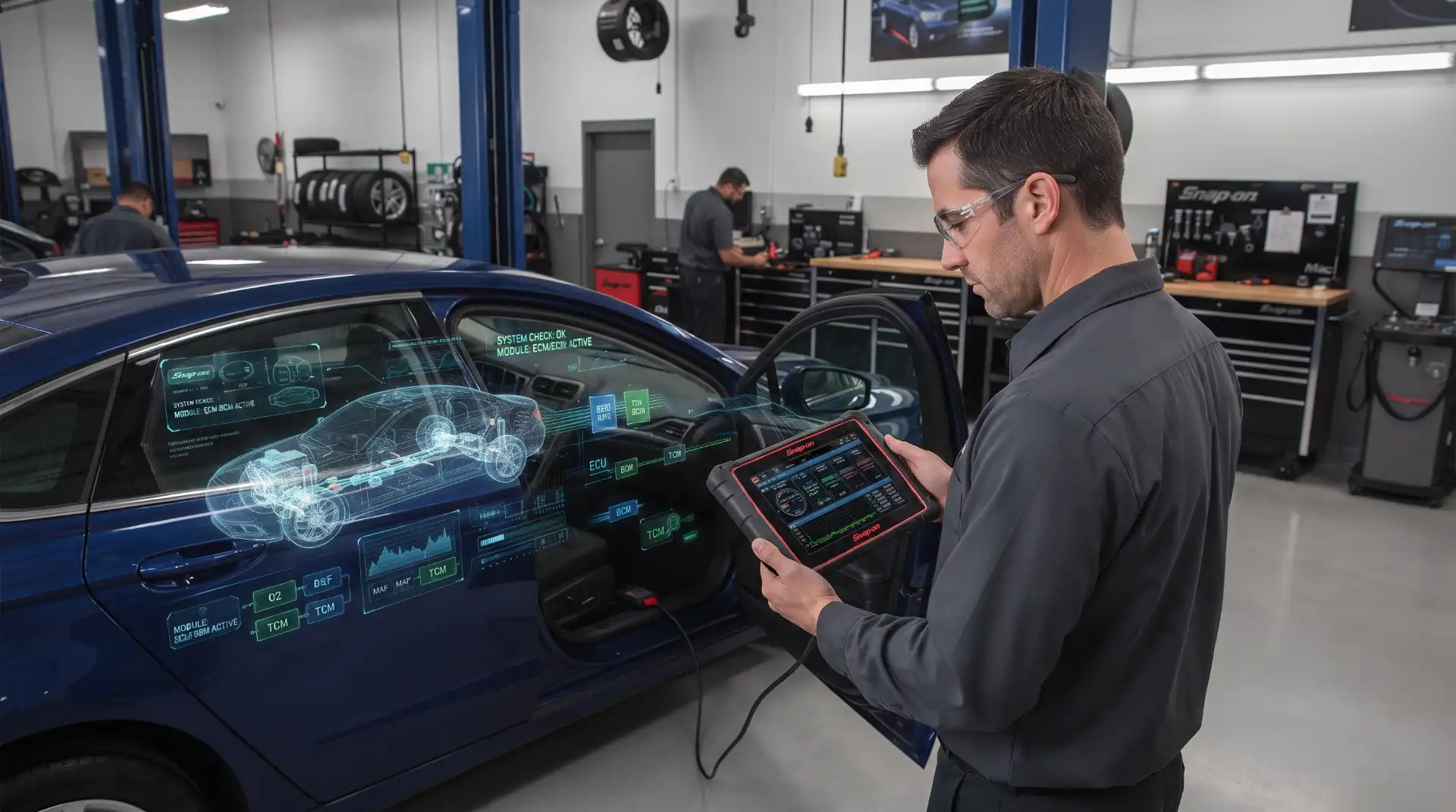
An inexpensive diagnostic scan may reveal a fault code, but the code is not necessarily proof that a particular component must be replaced. A mechanic may need to conduct additional testing to determine the actual cause.
If the check engine light flashes, the vehicle loses significant power, or the engine runs very roughly, stop driving when it is safe and seek professional advice. Continuing to operate a vehicle with a serious fault can increase damage.
Red oil-pressure warnings, overheating warnings, and certain brake-system warnings also require immediate attention. Consult your owner’s manual and do not continue driving when doing so could cause mechanical damage or compromise safety.
Investigate leaks, noises, and vibrations
A new puddle under a parked car should not automatically be ignored. Air-conditioning condensation is often harmless, but oil, coolant, brake fluid, transmission fluid, and other automotive fluids may indicate a problem.
Fluid color alone is not a reliable way to identify every leak, and drivers should never crawl under a vehicle supported only by a jack. If you cannot safely identify the source, have the vehicle inspected.
Grinding brakes, steering vibration, persistent wheel noise, repeated overheating, or a burning smell should also be investigated. A prompt diagnosis may help prevent damage to related components.
Keep a record of symptoms
Write down when a problem occurs, how frequently it happens, and whether it changes with speed, temperature, braking, or acceleration. For example, a vibration that appears only when braking may point a technician toward a different diagnostic path from a vibration that occurs continuously at highway speeds.
Accurate observations can help the mechanic reproduce the symptom and reduce unnecessary diagnostic time. They are not a substitute for professional testing, but they can make the appointment more productive.
5. Compare Repair Estimates Before Approving Expensive Work
One of the most practical ways to lower auto repair expenses is to obtain a second opinion for major, nonemergency repairs.
Repair shops may charge different labor rates, use different parts suppliers, or recommend different repair approaches. A second estimate can help you understand whether the original recommendation is reasonable and whether an alternative solution is available.
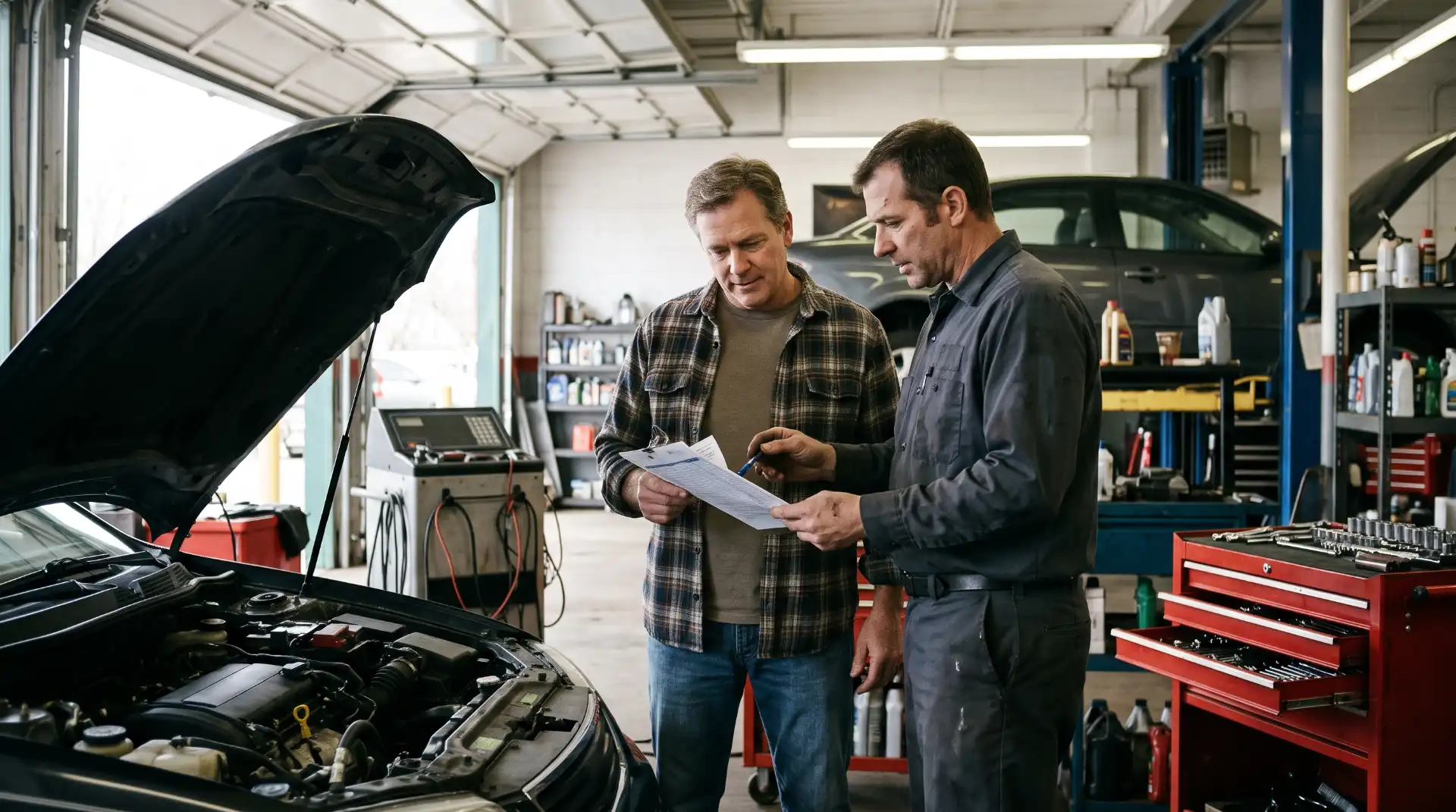
Request an itemized written estimate
Ask the shop to separate parts, labor, diagnostic charges, shop supplies, taxes, and other fees. A written estimate makes it easier to compare the same repair across different businesses.
You should also ask whether the quote includes all necessary work. A low estimate may exclude related parts, alignment, programming, or calibration that another shop includes in its price.
For example, replacing a component in a modern vehicle may require electronic programming after installation. Comparing a quote that includes programming with one that does not can produce a misleading result.
Ask how long the repair is expected to take and whether the quoted price may change if additional problems are discovered. Clarify whether the shop will contact you before performing work beyond the authorized amount.
Compare the same repair, not just the final price
Suppose one shop recommends replacing an entire assembly while another proposes replacing a serviceable component within it. The lower estimate may be appropriate in some cases, but the two approaches may not provide equivalent results.
Ask each technician to explain the diagnosis, the evidence supporting it, and the expected outcome. Consider the warranty, parts quality, technician qualifications, and likelihood that the repair will resolve the problem.
For an expensive engine, transmission, suspension, or electrical repair, a second opinion can be particularly valuable. If the vehicle is unsafe to drive, arrange a tow rather than driving it between shops.
Understand your authorization rights
Before leaving your car, ask how the shop handles diagnostic work, estimate approvals, and additional repairs. State clearly that you want to authorize work before costs exceed the agreed scope.
Keep copies of estimates, invoices, inspection reports, and warranty information. If a dispute develops, documentation can help clarify what was recommended and what you approved.
6. Choose Replacement Parts Based on Value, Not Price Alone
Replacement parts can represent a substantial portion of a repair bill. Depending on the vehicle and component, you may have options involving original equipment manufacturer (OEM) parts, aftermarket parts, remanufactured components, or used parts.
The right choice depends on the component, vehicle requirements, availability, warranty, and the consequences of failure.
Understand OEM and aftermarket parts
OEM parts are supplied through the vehicle manufacturer’s parts system or its designated suppliers. Aftermarket parts are produced by independent manufacturers and can range from high-quality alternatives to products that are poorly suited to a particular application.
Aftermarket parts are not automatically inferior, and OEM parts are not always the most economical option. What matters is whether the part meets the necessary specifications and performs reliably.
For routine maintenance items, reputable aftermarket options may offer good value. For complex electronics, specialized components, or repairs where precise compatibility is critical, the additional cost of an OEM part may be justified.
Ask the mechanic whether the proposed part meets manufacturer specifications, whether it affects any applicable warranty, and what warranty covers the replacement component.
Consider remanufactured and used parts carefully
A remanufactured part has generally undergone a rebuilding process intended to restore its functionality. The quality of the process and the warranty vary by supplier and component.
Used parts can make sense for some older vehicles, especially when a new component is expensive or difficult to obtain. However, their history and remaining service life may be uncertain.
A used electronic module, engine component, or transmission part may create additional diagnostic or installation expenses if it fails or proves incompatible. Ask about return policies, testing procedures, and labor coverage before agreeing to use one.
For safety-critical systems such as brakes, steering, and tires, prioritize suitability, condition, and verified quality over the lowest price.
7. Find a Trustworthy Mechanic Before an Emergency Happens
Choosing a mechanic only after your car breaks down can leave you with limited time to compare options. Establishing a relationship with a reputable repair shop before a problem develops gives you more control over the process.
An honest shop should be willing to explain its recommendations, answer questions, provide clear estimates, and distinguish urgent repairs from maintenance that can be scheduled later.
Look for qualifications and a consistent reputation
Ask friends, family members, and coworkers for recommendations. Review customer feedback across multiple sources and look for patterns rather than relying on one unusually positive or negative review.
Certifications, such as those offered by the National Institute for Automotive Service Excellence (ASE), can indicate that a technician has demonstrated knowledge in particular automotive service areas. However, a certification alone does not guarantee that every repair will be performed correctly.
Check whether the shop regularly works on your make and model, especially if you drive a hybrid, electric vehicle, luxury car, or vehicle with specialized systems.
Watch for questionable recommendations
Be cautious if a shop refuses to explain a repair, pressures you into immediate approval without a clear reason, or cannot provide an itemized estimate.
Another warning sign is a recommendation to replace several expensive components without explaining how the technician tested them. In some cases, multiple parts genuinely need replacement, but the shop should be able to describe the evidence.
You can ask to see worn components when practical and request photographs for parts that cannot easily be shown. A professional explanation should help you understand what failed and why the proposed repair is appropriate.
Build a long-term maintenance relationship
A mechanic familiar with your vehicle’s service history may be better positioned to identify recurring issues and plan upcoming maintenance. Keeping records helps both you and the shop avoid duplicate work.
A trustworthy shop should not discourage reasonable questions or treat every visit as an opportunity to sell unrelated services. Good communication is an important part of reducing long-term ownership costs.
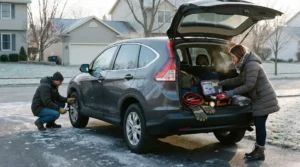
8. Do Simple Car Maintenance Yourself When It Is Safe
You do not need to become a professional mechanic to save money on vehicle maintenance. Many drivers can handle simple inspection and upkeep tasks that reduce the need for paid service appointments.
The key is knowing which tasks are appropriate for your experience and which require specialized equipment, technical training, or professional safety procedures.
Start with basic maintenance tasks
Depending on your vehicle, you may be able to check tire pressure, inspect tire tread, replace windshield wiper blades, refill windshield washer fluid, replace certain air filters, and monitor fluid levels.
These tasks are often straightforward when performed according to the owner’s manual. They can also help you become familiar with your vehicle’s normal condition, making it easier to notice changes.
For example, a driver who checks tire pressure regularly may discover a slow leak before it results in a flat tire. Someone who inspects the engine compartment periodically may notice a damaged hose or an unusual fluid level before a longer trip.
Before purchasing parts, confirm that they are compatible with your vehicle’s year, make, model, engine, and trim. Similar-looking parts do not always fit or function identically.
Know when DIY repairs are not worth the risk
Replacing brake components, repairing high-voltage electric vehicle systems, working with airbag systems, and performing complicated engine repairs can require specialized tools and safety procedures.
Mistakes in these areas can create serious safety hazards or lead to expensive damage. A repair that appears inexpensive at first may become more costly if incorrect installation damages other components.
Never work beneath a vehicle supported only by a jack. Use properly rated support equipment and follow manufacturer procedures, or leave the job to a qualified professional.
If a task requires equipment you do not own, extensive disassembly, electronic programming, or technical knowledge you lack, professional service may be the more economical choice.
Calculate the real cost of doing the work yourself
DIY maintenance is not automatically cheaper. Add the price of parts, tools, protective equipment, disposal fees, and your time. Consider whether the tools will be useful for future work or whether they will be used only once.
For example, replacing a simple cabin air filter may save money because the part is inexpensive and installation is easy. Replacing a complex electronic component may require diagnostic equipment and programming that make professional service more practical.
The objective is to perform suitable tasks confidently while avoiding repairs that could put your safety, vehicle, or budget at risk.
9. Improve Driving Habits to Reduce Wear and Tear
The way you drive influences how quickly many vehicle components wear out. Aggressive acceleration, repeated hard braking, excessive speeding over rough roads, and unnecessary heavy loads can increase wear and fuel consumption.
Adopting smoother driving habits is a simple way to reduce avoidable expenses without purchasing additional equipment.
Accelerate and brake smoothly
Rapid acceleration places additional demands on the engine, transmission, tires, and drivetrain. Repeated hard braking generates more heat and can accelerate brake-pad and rotor wear.
Anticipate traffic conditions, maintain an appropriate following distance, and slow down gradually when circumstances allow. Smooth driving can reduce unnecessary strain while making everyday trips more comfortable.
This does not mean avoiding firm braking when an emergency requires it. Safety must always take priority over extending the life of a component.
Avoid excessive idling and unnecessary trips
Repeated short trips can be demanding for some vehicles because the engine may not reach its normal operating temperature before the trip ends. Frequent cold starts, especially in cold weather, can influence maintenance needs.
Whenever practical, combine errands into a single trip instead of making several separate journeys. This can reduce unnecessary mileage and help limit repeated starts.
Modern vehicles generally do not need prolonged idling to warm up under ordinary conditions. Follow the manufacturer’s recommendations for your vehicle and local weather, and avoid extended idling where it is unnecessary or prohibited.
Protect your vehicle from road damage
Potholes, curbs, debris, and rough road surfaces can damage tires, wheels, suspension components, and alignment.
Slow down appropriately when approaching damaged pavement and avoid sudden maneuvers that could put you or other road users at risk. If you hit a significant pothole, inspect the tires and look for new vibrations, pulling, or steering changes.
A damaged tire or bent wheel may not always be obvious immediately. Having the vehicle inspected after a significant impact can help identify problems before they cause additional wear.
10. Replace Air Filters and Other Wear Items at the Right Time
Filters, wiper blades, belts, hoses, and similar components may seem minor compared with an engine or transmission repair. However, neglecting the items that protect other systems can contribute to reduced performance or more expensive maintenance.
The important distinction is between replacing a component when needed and replacing it simply because a service package recommends it.
Engine air filters
An engine air filter helps keep dirt and other particles from entering the engine’s intake system. A heavily restricted or damaged filter may affect performance, depending on the vehicle and operating conditions.
Inspect the filter according to the manufacturer’s schedule and replace it when required. Driving frequently on dusty roads may increase the need for inspection.
Do not assume every filter needs replacement at every oil change. The correct interval depends on the vehicle, filter design, and environment.
Cabin air filters
A cabin air filter helps reduce dust, pollen, and other particles entering the passenger compartment through the ventilation system. A clogged filter can restrict airflow and reduce comfort.
Replacement is often relatively simple, although the location and procedure vary by vehicle. If you are comfortable following the owner’s manual, this may be an opportunity to save labor costs.
Belts, hoses, and wiper blades
Belts and hoses can deteriorate with age, heat, and exposure to automotive fluids. A damaged belt or failed hose may cause a breakdown, depending on the component and vehicle design.
Wiper blades are another inexpensive item worth checking regularly. Worn blades can reduce visibility during heavy rain, increasing driving risk.
Ask your mechanic to explain the condition of these parts during routine inspections. Replacing a worn component before failure can be more convenient and less expensive than dealing with a breakdown, but replacement decisions should be based on condition and manufacturer guidance.
11. Protect Your Battery and Electrical System
Battery problems are a common source of unexpected inconvenience. A weak battery may cause slow engine cranking, intermittent starting problems, or a vehicle that will not start at all.
Extreme temperatures can affect battery performance. Cold weather can make it harder for a battery to deliver the power required to start an engine, while heat can accelerate battery deterioration.
Check battery health before it fails
If your battery is several years old, ask a qualified technician to test its condition, particularly before winter or a long road trip. Age alone does not prove that a battery must be replaced, but a test can help determine whether it is approaching the end of its useful life.
Look for corrosion around battery terminals when it is safe to do so. Corrosion and loose connections can interfere with electrical performance, although not every starting problem originates at the battery.
Some vehicles require special procedures for battery replacement, battery registration, or management-system resets. Check the service requirements before attempting the job yourself.
Investigate repeated battery failures
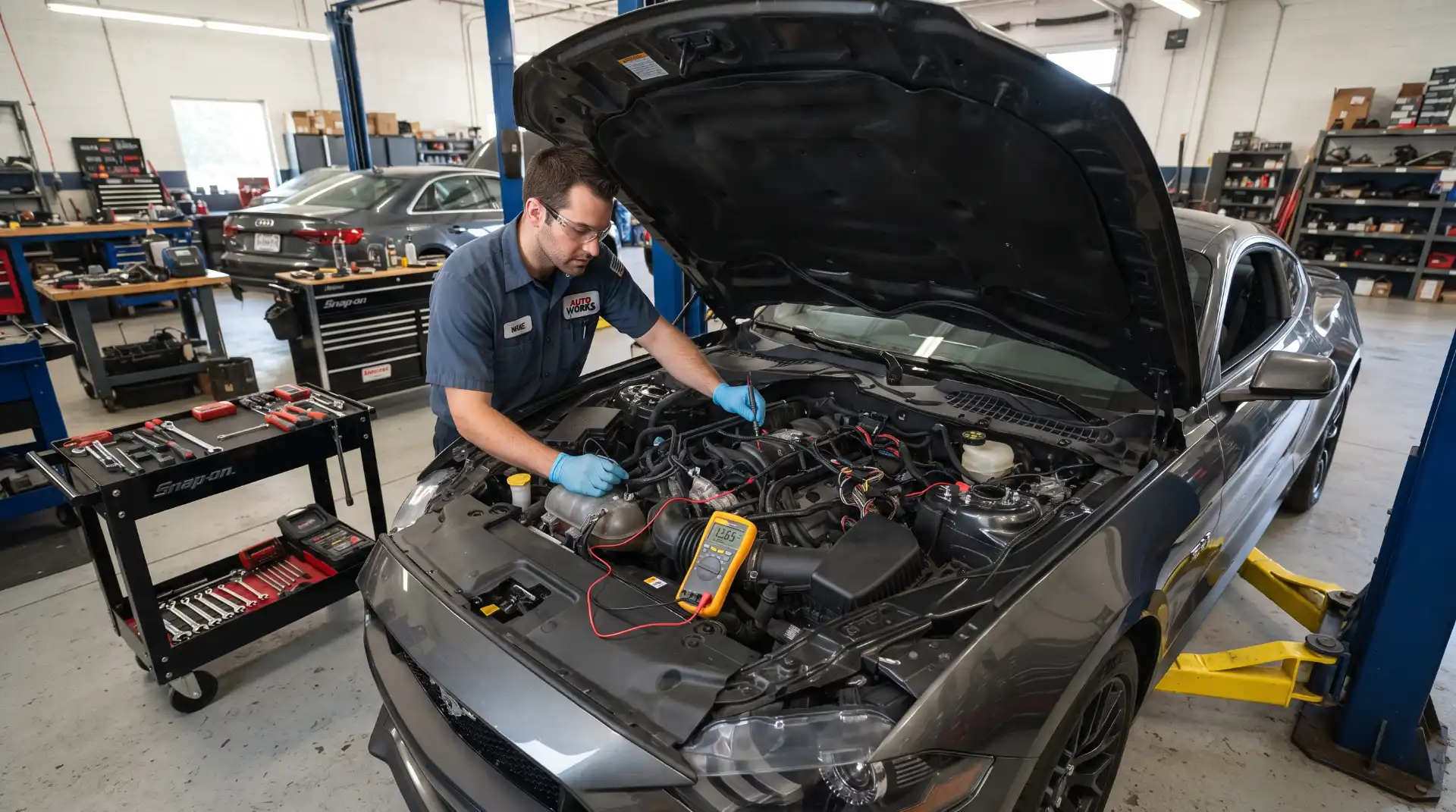
If a replacement battery repeatedly loses its charge, replacing it again may not solve the problem. The charging system, electrical connections, or a parasitic electrical drain may be responsible.
A qualified mechanic can test the alternator or other charging components and determine whether the vehicle is consuming power when it should be switched off.
Finding the underlying cause can save money and reduce the inconvenience of repeated no-start situations.
Avoid ignoring electrical warnings
Dashboard charging warnings, flickering lights, unusual electrical behavior, or repeated starting failures deserve attention. A charging-system problem can leave a vehicle stranded even when the battery itself is relatively new.
Prompt diagnosis is often more useful than purchasing replacement parts based on guesswork.
12. Use Seasonal Maintenance to Prevent Expensive Breakdowns
American drivers experience a wide range of weather conditions, from freezing winters in the Northeast and Midwest to intense summer heat in the Southwest and Gulf Coast states.
Seasonal maintenance helps prepare vehicles for the conditions they will encounter. The exact needs vary by location, vehicle type, and driving pattern.
Prepare for winter
Before winter weather arrives, check battery health, tire condition, coolant specifications, windshield washer fluid, wiper blades, and exterior lights.
Drivers in areas with snow and ice should verify that their tires are appropriate for local conditions. All-season tires are not identical to dedicated winter tires, and the best option depends on climate, vehicle requirements, and typical driving routes.
Cold weather may also expose existing weaknesses in an aging battery or cooling system. Addressing known issues before a storm can reduce the chance of a breakdown when repair shops are busy or travel conditions are hazardous.
Protect your car during summer heat
High temperatures place additional demands on the cooling system and can affect battery life, tire pressure, and certain rubber components.
Check coolant levels according to the owner’s manual and have leaks or recurring overheating investigated promptly. Never open a hot pressurized cooling system because escaping coolant can cause severe burns.
Before a long summer drive, inspect the tires, test the air conditioning, and check the vehicle’s fluid levels as recommended by the manufacturer.
Adjust maintenance for local driving conditions
A driver in rural Montana may encounter freezing temperatures, gravel roads, and long distances between services. A driver in Southern California may face intense heat, congested freeways, and frequent short trips.
Both drivers need maintenance, but their vehicles may experience different forms of stress.
Use the manufacturer’s severe-service guidance when applicable and discuss local driving conditions with a qualified mechanic. Tailoring maintenance to real-world use is more effective than following a generic checklist that ignores your circumstances.
13. Understand Your Warranty, Recalls, and Repair Coverage
Before paying for a repair, check whether the problem may be covered by an existing warranty, service contract, recall, or other applicable protection.
Some drivers pay out of pocket for repairs without realizing that a component may still be covered. Others purchase extended warranties without fully understanding exclusions, deductibles, claim procedures, or limits.
Review your factory warranty
Your vehicle’s warranty documents explain which components are covered, the applicable time and mileage limits, and the conditions that apply.
Warranty coverage differs by manufacturer, vehicle, component, and circumstances. Routine maintenance items and normal wear are often treated differently from manufacturing defects.
Keep maintenance receipts and repair records. Documentation can help demonstrate that required services were performed and clarify the history of a vehicle if a warranty question arises.
Do not assume that every repair is covered simply because the vehicle is relatively new. Contact the manufacturer or authorized dealer to confirm eligibility before approving expensive work.
Check for safety recalls
A safety recall may involve a defect that requires a repair or replacement according to the recall program’s terms. Check your vehicle identification number through the official NHTSA recalls website to see whether an unresolved safety recall applies to your vehicle.
If a recall is listed, follow the instructions provided by the manufacturer and NHTSA. Recall remedies for qualifying safety defects are generally provided without charge to the owner, although the specific situation and applicable program matter.
A recall check is especially useful when buying a used vehicle because previous owners may not have completed all recommended recall repairs.
Be cautious with extended warranties
Vehicle service contracts are not the same as factory warranties. Coverage can depend on the contract’s terms, exclusions, waiting periods, deductibles, and approval process.
Read the contract carefully before purchasing one. Consider whether the covered components, claim limits, and expected costs justify the price.
An emergency repair fund may be more flexible for some drivers, while others may prefer a suitable service contract. Compare the actual terms rather than assuming either option is always better.
14. Create a Car Repair Fund Before an Emergency
Even well-maintained vehicles can develop expensive problems. A tire can be punctured, an alternator can fail, or an older component can wear out without much warning.
A dedicated car repair fund makes these events easier to manage. It can also reduce the pressure to put unexpected expenses on a high-interest credit card.
Set a realistic monthly savings target
Start by reviewing your vehicle’s age, mileage, maintenance history, and upcoming service needs. Estimate the cost of routine maintenance over the next year, then identify larger expenses that may be approaching.
Divide your expected annual maintenance spending into monthly amounts. If you expect to spend $900 on maintenance and repairs over a year, for example, setting aside $75 each month would build a $900 reserve over 12 months, assuming no withdrawals.
This is a budgeting illustration, not a prediction of what every vehicle will cost. A newer car with a strong service history may need less immediate repair spending than an older vehicle with high mileage or known problems.
If $75 per month is not realistic, begin with a smaller amount and increase it when your budget permits. Consistent saving can still provide a useful financial cushion.
Separate routine maintenance from emergency repairs
If possible, track routine services separately from unexpected repairs. This helps you distinguish predictable costs, such as oil changes and tire rotations, from less predictable expenses such as a failed water pump or alternator.
A simple spreadsheet or budgeting app can record service dates, mileage, expenses, parts, and upcoming maintenance. Over time, the records will provide a clearer picture of your vehicle’s actual ownership costs.
Know when repair costs justify a larger decision
An older vehicle may eventually need repairs that exceed what the owner can reasonably afford. At that point, compare the repair estimate with the vehicle’s overall condition, market value, reliability, and likely future maintenance needs.
A $1,500 repair does not automatically make a car uneconomical if replacing it would require thousands of dollars in additional purchase costs, taxes, fees, and financing. On the other hand, repeated major failures may indicate that continuing to own the vehicle is no longer practical.
Consider the whole financial picture rather than making a decision based only on the latest repair bill.
15. Use Technology to Track Maintenance and Compare Costs
Modern technology can help drivers organize maintenance records, identify potential problems, and compare repair prices. You do not need an expensive subscription to benefit from these tools.
A smartphone, spreadsheet, or basic maintenance application can provide a useful record of what has been done to your vehicle and what needs attention next.
Maintain a digital service history
Record the date, mileage, service performed, parts installed, shop name, and total cost for each maintenance visit. Save invoices and photographs of inspection reports when available.
This information helps you avoid paying for recently completed work that does not need to be repeated. It can also help a technician investigate recurring problems and identify patterns across multiple visits.
A complete maintenance history is useful when selling a vehicle because it gives prospective buyers evidence of how the car has been cared for. Although records cannot guarantee a higher resale price, they can make it easier to explain the vehicle’s condition and service history.
Compare local repair prices online
Online estimates can help establish a starting point for common repairs. However, advertised prices should not be treated as guaranteed quotes.
Repair costs vary by vehicle, engine configuration, parts availability, regional labor rates, and the amount of diagnostic work required. A quote for replacing brake pads on one vehicle may not reflect the cost of replacing pads and rotors on another.
When comparing shops, provide the same vehicle information and describe the same symptoms. Ask whether the quoted price includes diagnostics, parts, labor, taxes, and any necessary calibration.
Use diagnostic information responsibly
An OBD-II scanner can retrieve diagnostic trouble codes from many vehicles sold in the United States. Some basic scanners are inexpensive, but the information they provide has limits.
A trouble code identifies a detected condition or system fault; it does not always identify the failed component. For example, a code related to an oxygen sensor or fuel mixture may have several possible causes.
Use diagnostic information to ask better questions rather than automatically purchasing a replacement part. A professional diagnosis can prevent the expense of replacing components that are functioning correctly.
16. Be Strategic About Brakes, Suspension, and Other Safety Repairs
Some maintenance decisions can be scheduled around your budget, but safety-critical repairs require a different approach. Brakes, steering, tires, suspension, and lighting directly affect your ability to control the vehicle and respond to road conditions.
Trying to save money by ignoring these systems can create a much larger financial and safety problem.
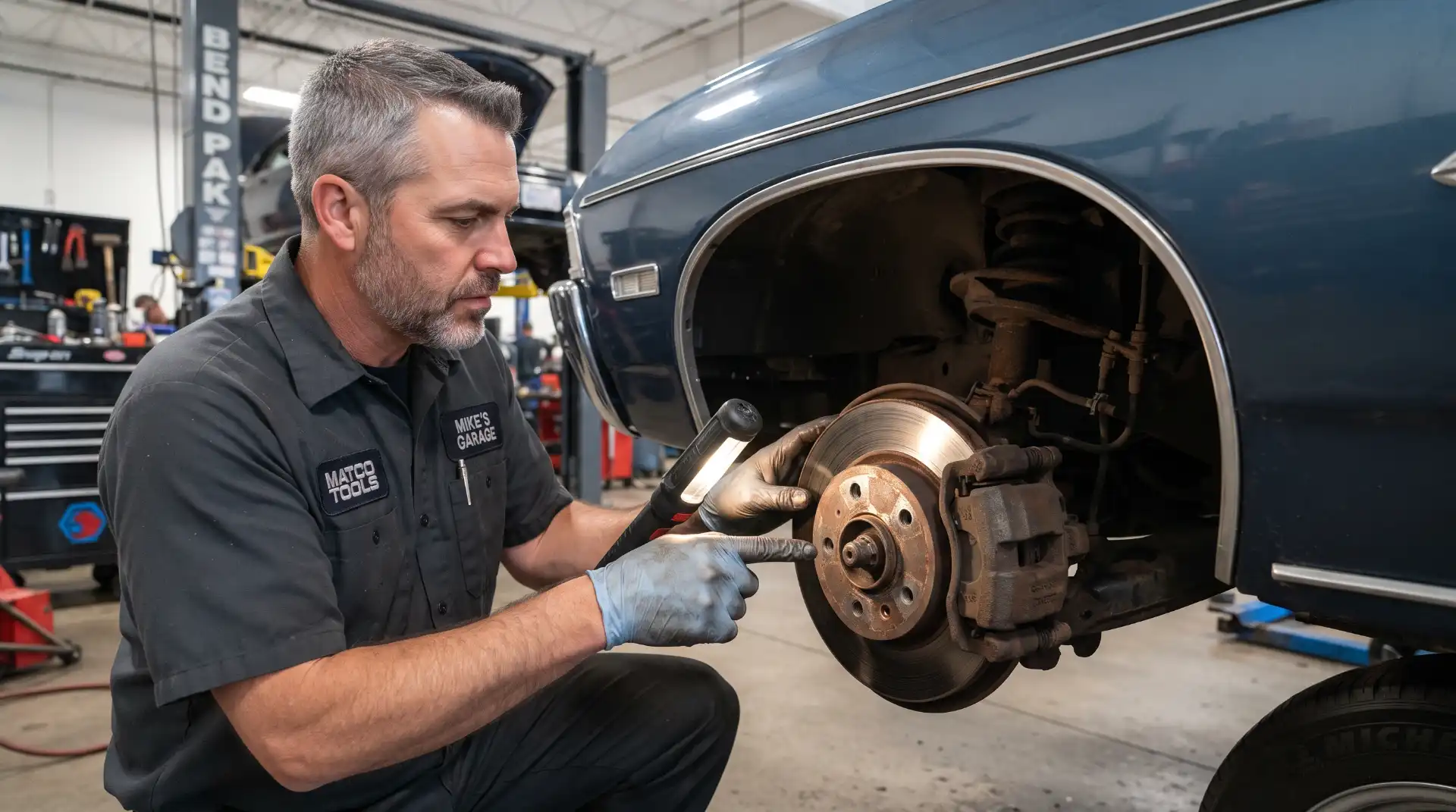
Understand brake inspection recommendations
Brake pads and rotors wear at different rates depending on driving habits, traffic conditions, vehicle weight, and component design.
Frequent stop-and-go driving may increase brake wear compared with driving on open highways. Heavy vehicles and vehicles used for towing may also have different maintenance needs.
Ask the technician to explain the remaining pad thickness, rotor condition, and reason for any recommended replacement. A clear inspection report helps you understand whether the work is urgent or can be planned for a later appointment.
Do not delay repairs when the brakes are grinding, the pedal feels abnormal, braking performance changes, or a warning indicates a serious problem.
Investigate suspension and alignment problems
Worn suspension components can affect handling, ride quality, and tire wear. A vehicle that pulls to one side or develops uneven tire wear may need an alignment, but the underlying cause should be identified first.
An alignment cannot correct every suspension problem. If worn or damaged parts are responsible, replacing those components may be necessary before the alignment can be performed properly.
Addressing the cause rather than repeatedly paying for adjustments can reduce long-term costs.
Avoid postponing urgent repairs to save money
If a mechanic identifies a problem that makes the vehicle unsafe, ask for an explanation and supporting evidence. If the recommendation is unclear, seek a second opinion without continuing to drive an unsafe car.
A tow may cost money upfront, but it can be less expensive than causing further mechanical damage or being involved in a collision.
The best savings strategy is to avoid unnecessary work while ensuring that essential repairs are completed correctly and promptly.
17. Make Smarter Decisions About Older Cars
Older vehicles can be affordable to own when they have been maintained properly. They may also develop age-related problems that require more frequent attention.
The challenge is distinguishing a vehicle that needs predictable maintenance from one that is approaching a series of expensive failures.
Prioritize condition over mileage alone
Mileage is useful, but it does not tell the whole story. A high-mileage vehicle with consistent maintenance may be in better condition than a lower-mileage vehicle that has experienced neglect, overheating, collision damage, or irregular servicing.
Consider the engine, transmission, cooling system, suspension, brakes, electrical system, and body condition when evaluating a used or older car.
If you are considering a major repair, ask a qualified mechanic to assess the vehicle’s overall condition rather than focusing exclusively on the failed component.
Compare repair costs with replacement costs
Suppose an older sedan needs a $1,200 repair. Replacing the vehicle could involve a down payment, monthly loan payments, sales tax, registration fees, insurance changes, and potentially higher financing costs.
Keeping the current car may be financially sensible if the repair restores reliable operation and other major components are in good condition.
However, if the vehicle has recurring engine problems, structural rust, transmission failure, or several expensive repairs approaching at once, replacement may deserve serious consideration.
Compare realistic costs over the next 12 to 24 months. Include likely maintenance, insurance, fuel, financing, and depreciation where relevant. A decision based on the total cost of ownership is more useful than one based only on the latest repair estimate.
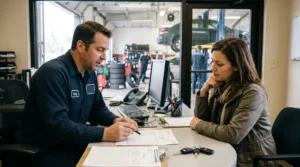
18. Avoid Common Money-Saving Mistakes That Backfire
Drivers can unintentionally increase repair expenses by focusing too narrowly on immediate savings.
One common mistake is skipping recommended maintenance because the vehicle appears to run normally. Some problems develop without obvious symptoms, and waiting until a warning appears may limit your options.
Another mistake is buying the cheapest available replacement part without checking compatibility, quality, or warranty coverage. A low-cost component that fails prematurely may lead to another parts purchase and additional labor charges.
Using generic maintenance advice without considering the owner’s manual can also lead to unnecessary services or missed requirements. A vehicle designed for one oil specification or maintenance interval should not automatically be treated like every other car on the road.
Some owners also approve every service recommended during an inspection because they assume all recommendations are equally urgent. Others reject every recommendation because they suspect the shop is trying to increase the bill. Neither response is ideal.
Instead, ask for evidence, written estimates, and an explanation of the consequences of delaying each repair. Separate urgent safety concerns from routine maintenance and optional services. When a major recommendation remains unclear, get a second opinion.
Finally, avoid assuming that a vehicle with no dashboard warning lights is guaranteed to be healthy. Routine inspections remain important because not every developing problem immediately triggers a warning.
A Practical Car Maintenance Schedule for 2026
The following schedule is a general planning guide for American drivers. It is not a substitute for the maintenance requirements in your vehicle’s owner’s manual.
| Frequency | Recommended action | Potential financial benefit |
|---|---|---|
| Monthly | Check tire pressure, tire condition, lights, and visible leaks | Helps identify problems before they become more serious |
| Before long trips | Check tires, fluid levels, lights, wipers, and battery condition | Reduces the chance of avoidable roadside problems |
| At manufacturer-recommended intervals | Change oil, replace filters, and perform scheduled services | Helps prevent premature wear and unnecessary maintenance |
| During routine service visits | Inspect brakes, belts, hoses, and suspension components | Helps identify developing problems and plan repairs |
| Seasonally | Prepare the vehicle for local winter or summer conditions | Reduces weather-related breakdown risks |
| Annually | Review maintenance records, upcoming expenses, and unresolved concerns | Makes it easier to plan spending and avoid missed services |
| Whenever a warning or unusual symptom appears | Investigate the cause and follow appropriate safety precautions | Can limit additional damage and prevent unsafe driving |
Your exact schedule may differ because of your vehicle’s design, age, mileage, and operating conditions. Use this table as a reminder system, not as a reason to perform services more frequently than necessary.
How to Build a Lower-Cost Car Ownership Plan
Reducing car repair costs is easier when maintenance becomes part of your regular financial routine rather than something you think about only after a breakdown.
Start by identifying your vehicle’s most important maintenance requirements. Read the owner’s manual, review recent service records, and determine whether any overdue maintenance or unresolved mechanical concerns need attention.
Next, estimate your likely expenses over the coming year. Include routine services, tires, battery replacement if needed, and any repairs that a qualified technician has identified as approaching their service limits. Divide the estimated total into monthly savings targets.
Choose a reliable repair shop and ask for written estimates before approving expensive work. Compare equivalent repairs, confirm parts specifications, and ask which recommendations are urgent. For routine maintenance, determine whether any simple tasks can be performed safely at home.
Finally, review your plan every few months. If your mileage increases, your driving conditions change, or your vehicle develops a recurring problem, adjust your maintenance budget accordingly.
The process does not require a perfect prediction of every repair. It requires a consistent system that helps you identify needs, prepare for costs, and avoid decisions made under unnecessary pressure.
Final Thoughts: Reduce Car Repair Costs Without Sacrificing Safety
Learning how to reduce car repair costs in 2026 is about making informed decisions throughout the life of your vehicle. American drivers can often lower avoidable expenses by following the manufacturer’s maintenance schedule, monitoring tire pressure, changing oil at appropriate intervals, recognizing early warning signs, and comparing repair estimates.
Choosing suitable replacement parts, working with a trustworthy mechanic, tracking service history, and building a repair fund can also make vehicle ownership more manageable. Small maintenance habits may not prevent every mechanical failure, but they can help you identify problems earlier and prepare financially for necessary work.
The most important principle is to distinguish between expenses that can reasonably be planned and repairs that should not be delayed. Routine services may offer opportunities to compare prices or schedule work around your budget. Problems involving brakes, steering, tires, overheating, or other safety-critical systems require prompt attention.
A reliable car does not have to be the newest or most expensive vehicle on the road. With consistent maintenance, careful driving, and sensible repair decisions, you can often extend your vehicle’s useful life and make better use of your transportation budget.
In 2026, the smartest way to save money on car repairs is not to avoid maintenance altogether. It is to spend money where it matters, avoid work that is unnecessary, and take action before a manageable problem becomes a costly one.