Summer heat across the United States has become more intense in recent years. Drivers in states like Arizona, California, Nevada, Texas, and Florida often deal with long periods of triple digit temperatures that can place serious stress on vehicles. Even areas that traditionally experience milder summers are now seeing stronger heat waves that affect road conditions, traffic, and overall vehicle performance.
Extreme heat does not only make driving uncomfortable. It can also increase the chances of overheating, tire failure, battery problems, air conditioning issues, and fluid breakdown. Vehicles that are not prepared for high temperatures may experience unexpected repairs during the busiest travel season of the year.
Preparing your car before temperatures peak may help reduce wear and tear while improving comfort and reliability. Whether you drive daily through city traffic or plan to take a long road trip, summer maintenance plays a major role in keeping your vehicle running properly.
Why Summer Heat Can Be Hard On Vehicles
Many drivers focus more on winter weather maintenance, but hot temperatures can be just as damaging. During summer, the engine, cooling system, tires, battery, and electronics all work harder to maintain safe operating conditions.
Vehicles parked outside under direct sunlight can reach extremely high interior temperatures within minutes. Dashboard materials, leather seats, electronics, and touchscreen systems may all be affected by prolonged heat exposure. Outside temperatures also raise road surface temperatures, which can increase tire wear and place additional strain on suspension and braking systems.
Modern vehicles contain more electronics and sensors than ever before. Driver assistance systems, infotainment screens, cameras, and battery management systems all generate heat during operation. Combined with outdoor temperatures, this may increase stress on important components.
 Checking The Cooling System Before Summer
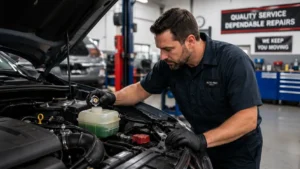
One of the most important areas to inspect before summer is the cooling system. Engines naturally generate heat during operation, and summer temperatures add even more pressure to the system. If the radiator, coolant, hoses, or fans are not functioning properly, overheating may occur.
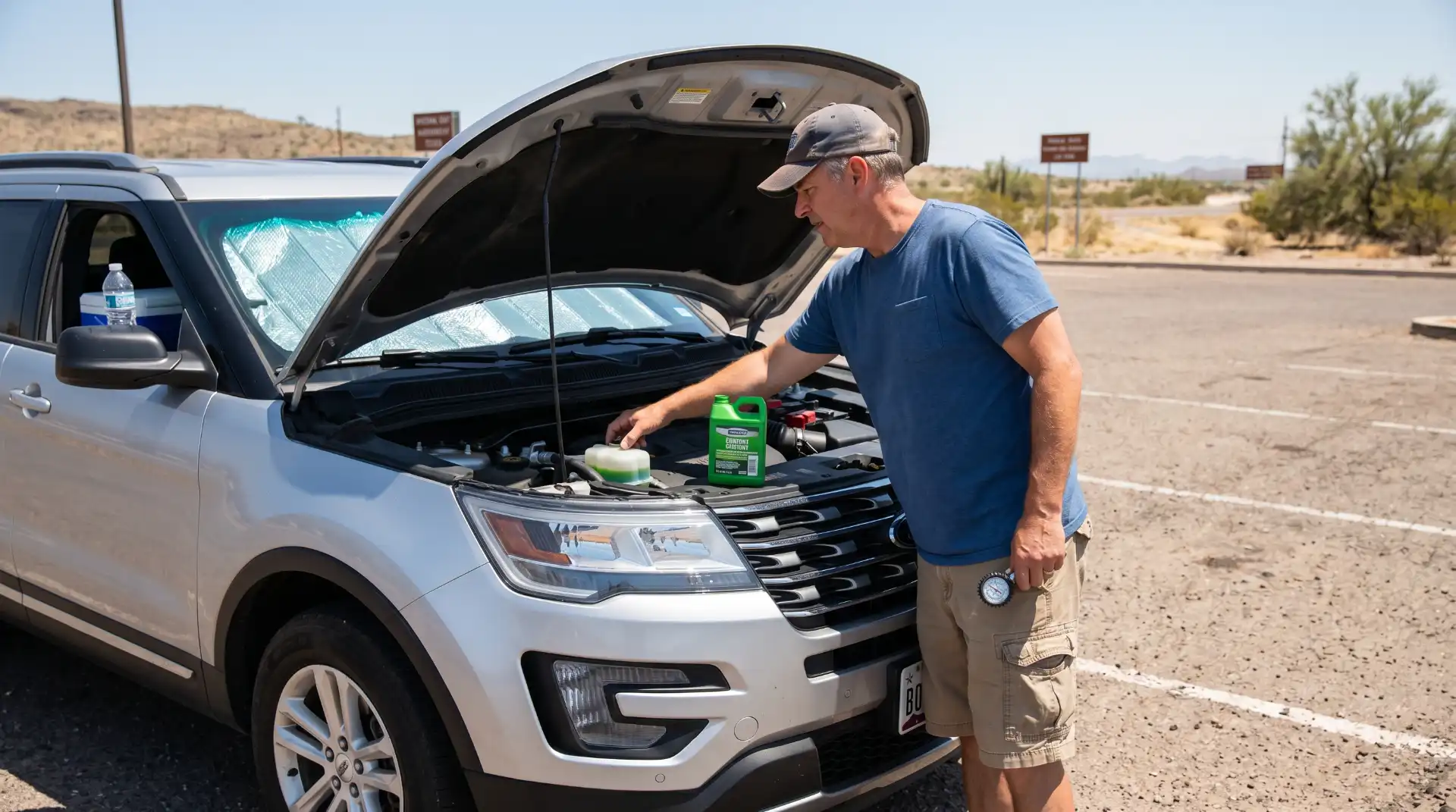
Coolant helps regulate engine temperature by transferring heat away from the engine. Over time, coolant can become contaminated or lose effectiveness. Low coolant levels are one of the most common causes of overheating during summer.
Drivers should check coolant reservoirs regularly and inspect for signs of leaks under the vehicle. Cracked hoses, worn clamps, and damaged radiators may also contribute to cooling issues. If the temperature gauge rises higher than normal while driving, it may indicate a developing problem that should not be ignored.
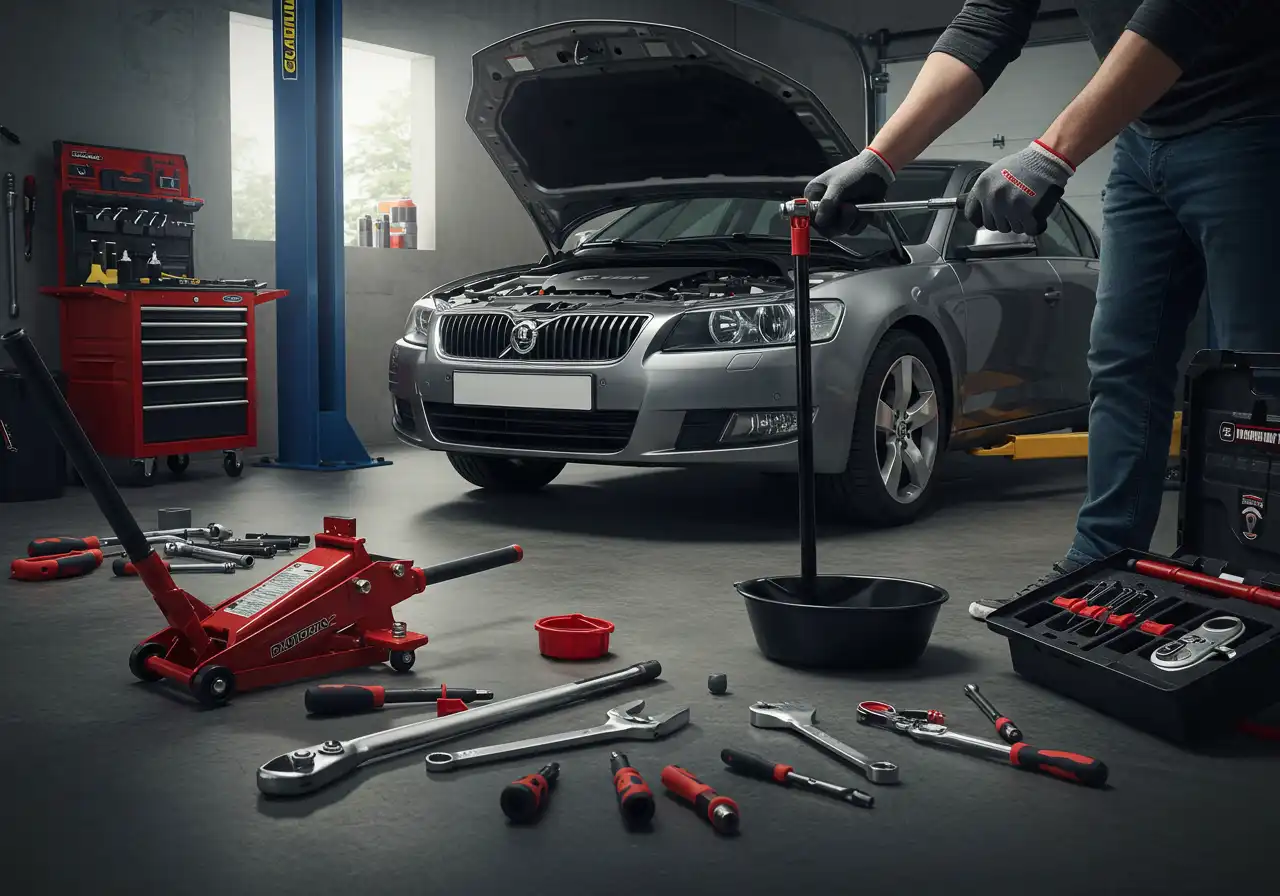
Professional inspections may help identify weak components before they fail during extreme heat. Drivers can learn more about maintenance services here:
https://www.carrss.com/auto-service/
The Importance Of Tire Maintenance In Hot Weather
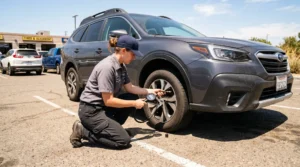
Tires are heavily affected by rising temperatures. Heat causes the air inside tires to expand, which may increase tire pressure beyond recommended levels. Overinflated or worn tires may become more vulnerable to blowouts, especially during long highway trips in hot conditions.
Checking tire pressure regularly during summer is important because pressure changes quickly as temperatures rise. Tire pressure should ideally be checked in the morning before driving, since driving generates additional heat that can affect readings.
Drivers should also inspect tread depth and look for signs of uneven wear, cracking, or sidewall damage. Hot pavement can accelerate tire wear, especially in areas where road temperatures become extremely high during the afternoon.
Long road trips place additional stress on tires because of extended highway speeds and heavy vehicle loads. Drivers carrying luggage, camping equipment, or towing trailers should pay extra attention to tire condition before traveling.
Understanding How Summer Heat Affects Car Batteries
Many drivers associate battery failure with winter weather, but extreme summer heat can also shorten battery life. High temperatures may cause battery fluid to evaporate more quickly, reducing battery performance over time.
Older batteries are often more vulnerable during heat waves. Drivers may notice slow engine starts, dim lights, electrical inconsistencies, or dashboard warning lights when battery performance begins to decline.
Modern vehicles rely heavily on electrical systems. Features such as navigation systems, cameras, wireless charging, driver assistance technology, and infotainment screens place additional demand on the battery during operation.
Testing the battery before summer travel may help reduce the risk of breakdowns. Corrosion around battery terminals should also be cleaned because buildup may interfere with electrical connections.
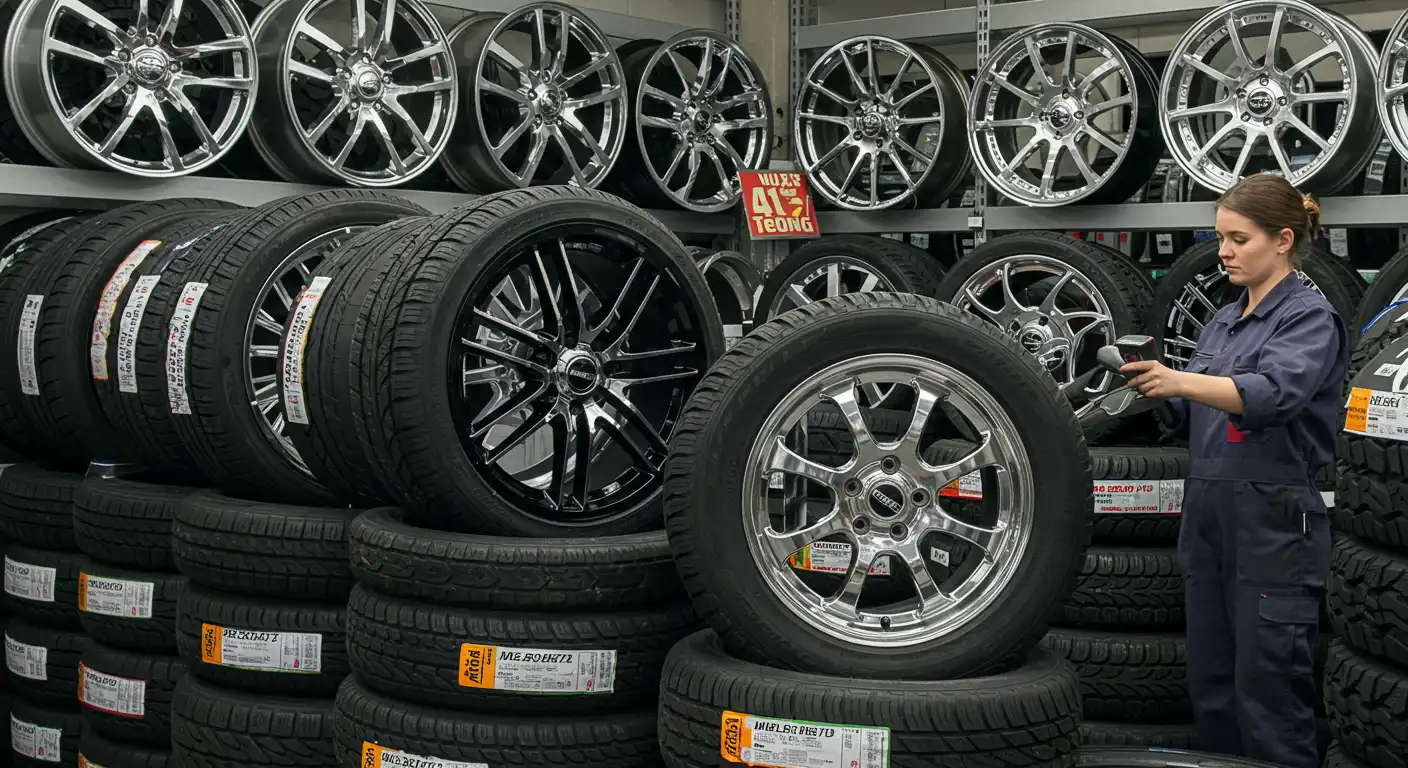
Drivers looking for replacement components and maintenance parts can also explore:
https://www.carrss.com/auto-parts/
Preparing The Air Conditioning System For Summer
Air conditioning becomes essential during summer months, especially in southern regions where daytime temperatures may remain above 100 degrees for long periods.
Weak airflow, unusual odors, or warm air from the vents may indicate problems with the air conditioning system. Low refrigerant levels, compressor wear, clogged cabin air filters, or electrical issues may all affect cooling performance.
Many drivers wait until temperatures become unbearable before checking the AC system. Scheduling maintenance earlier in the season may help identify problems before they worsen.
Cabin air filters also play an important role in airflow quality. Dirty filters may reduce cooling efficiency and place additional strain on the system. Replacing the cabin air filter is often a simple maintenance task that may improve comfort during summer driving.
Parking strategies can also help reduce cabin temperatures. Parking in shaded areas or using windshield sunshades may help protect the dashboard and interior surfaces from prolonged heat exposure.
Protecting Engine Oil And Important Fluids
High temperatures place additional stress on engine oil and other fluids. Heat may cause fluids to break down faster, reducing lubrication and protection for important components.
Engine oil helps reduce friction and regulate temperatures inside the engine. Drivers should follow manufacturer recommendations for oil type and replacement intervals, especially before long summer road trips.
Transmission fluid, brake fluid, coolant, and power steering fluid should also be inspected regularly. Low or contaminated fluids may contribute to overheating, poor shifting performance, or brake problems during hot weather.
Drivers who frequently sit in traffic, tow heavy loads, or drive long distances may place even greater stress on fluids during summer months.
Why Interior Protection Matters During Heat Waves
Vehicle interiors can suffer noticeable damage during prolonged heat exposure. Dashboards, steering wheels, leather seats, and touchscreen systems may crack, fade, or deteriorate over time if exposed to direct sunlight regularly.
Cabin temperatures rise rapidly in parked vehicles. In many parts of the United States, interior temperatures can become dangerous within minutes during summer afternoons.
Simple habits may help reduce heat related interior damage. Windshield sunshades, seat covers, and window tinting where permitted may help reduce direct sunlight exposure. Cleaning and conditioning leather surfaces may also help preserve interior materials over time.
Drivers should never leave children or pets inside parked vehicles during hot weather, even for short periods.
Preparing Your Vehicle For Summer Road Trips
Summer remains one of the busiest travel seasons in the country. Families often travel long distances during vacations, holidays, and extended weekends. Long highway drives during high temperatures place additional strain on nearly every vehicle system.
Before starting a road trip, drivers should inspect tires, coolant levels, battery condition, air conditioning performance, fluid levels, and brakes. Windshield wipers and washer fluid should also be checked because summer storms can develop quickly in many regions.
Emergency supplies are also useful during summer travel. Water, jumper cables, flashlights, portable chargers, and basic tools may help drivers handle minor roadside situations more safely.
Drivers traveling through desert regions or remote highways should monitor weather forecasts carefully and carry extra water when possible.
Recognizing Signs Of Overheating
Overheating remains one of the most serious summer vehicle problems. Ignoring overheating symptoms may lead to major engine damage.
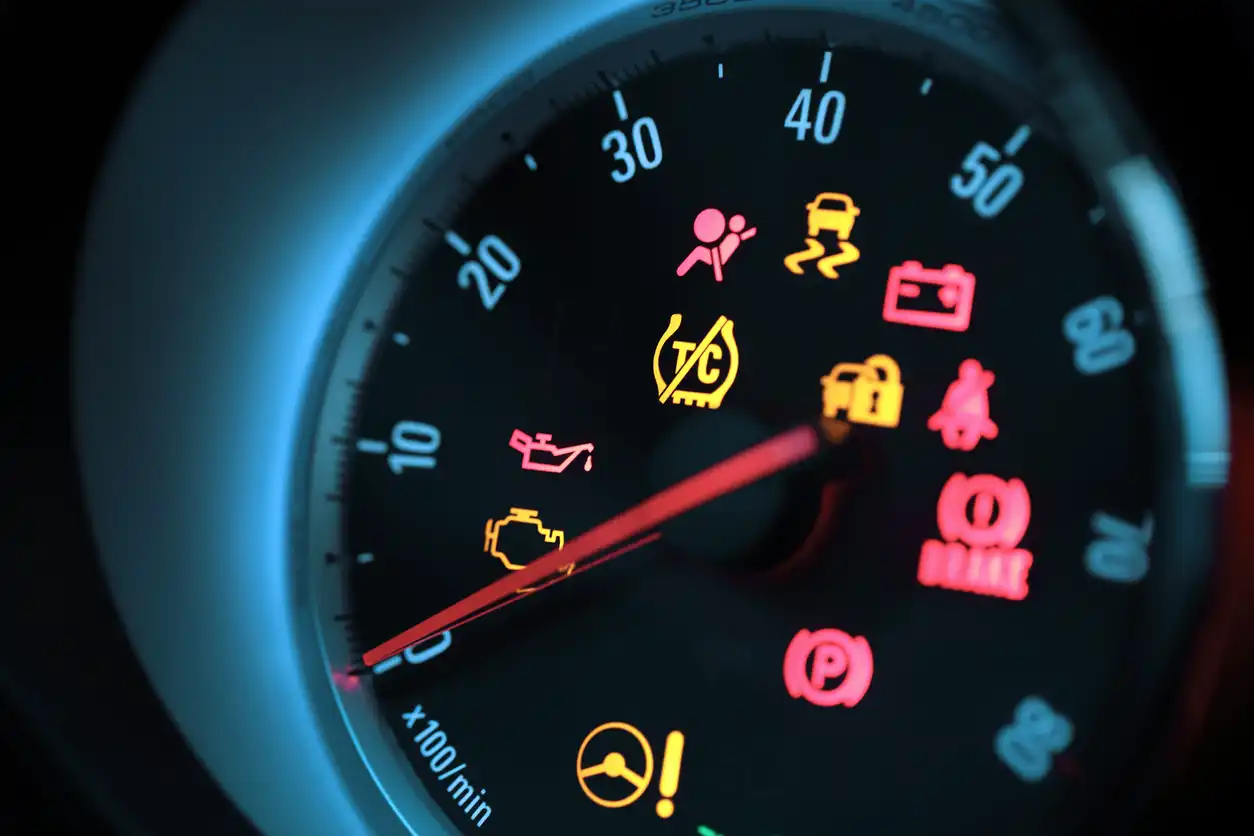
Drivers should watch for warning signs such as rising temperature gauges, steam from under the hood, unusual smells, or dashboard warning lights. Reduced engine performance may also indicate excessive heat buildup.
If overheating occurs, drivers should safely pull over and allow the engine to cool before attempting inspections. Opening the radiator cap while the engine is hot may be dangerous because of pressure buildup inside the system.
Persistent overheating issues may require professional diagnosis and repairs. Additional repair guidance may be found here:
https://www.carrss.com/auto-repair/
Maintaining Visibility During Summer Driving
Summer weather creates several visibility challenges for drivers. Bright sunlight, glare, dust, insects, and sudden rainstorms can all affect windshield clarity.
Windshield wipers should be inspected regularly because rubber blades often wear out faster under intense sunlight and heat. Cracked or worn blades may reduce visibility during heavy rain.
Small windshield chips may also spread more quickly during summer because heat expands the glass. Drivers who notice cracks or chips should consider addressing them before temperatures rise further.
Clean windows and mirrors may also improve visibility during early morning or late afternoon driving when sunlight is strongest.
How Heat Affects Modern Vehicle Technology
Modern vehicles depend heavily on technology. Backup cameras, sensors, lane assist systems, touchscreens, and digital dashboards all generate heat during operation.
Extreme temperatures may sometimes cause screens to lag, cameras to malfunction temporarily, or warning lights to appear. Electric vehicles and hybrids also rely on advanced thermal management systems to regulate battery temperatures during operation.
Drivers of newer vehicles should pay attention to software updates and maintenance recommendations from manufacturers, especially during periods of extreme heat.
Conclusion
Extreme summer heat can affect nearly every part of a vehicle, from the cooling system and tires to the battery and air conditioning system. Drivers across the United States continue to face rising temperatures each year, making seasonal maintenance increasingly important for reliability and comfort.
Checking coolant levels, monitoring tire pressure, inspecting the battery, servicing the air conditioning system, and protecting the interior may help reduce the risk of breakdowns and unnecessary repairs during summer travel season.
Whether you drive a compact sedan, SUV, pickup truck, muscle car, hybrid, or electric vehicle, preparing for summer heat remains an important part of responsible vehicle ownership. Staying proactive with maintenance and inspections may help improve performance while keeping your vehicle ready for the hottest months of the year.