As fuel prices continue to rise and environmental concerns become more pressing, fuel efficiency has become a top priority for car owners across the United States. Whether you’re commuting to work, going on a road trip, or simply running errands, adopting fuel-saving habits and maintaining your vehicle properly can save you a significant amount of money while reducing your carbon footprint. In this post, we’ll dive into several practical fuel efficiency tips that not only help you save money but also lower your emissions, ensuring that you are doing your part for the environment while keeping your vehicle in optimal condition.
Maintain Proper Tire Pressure
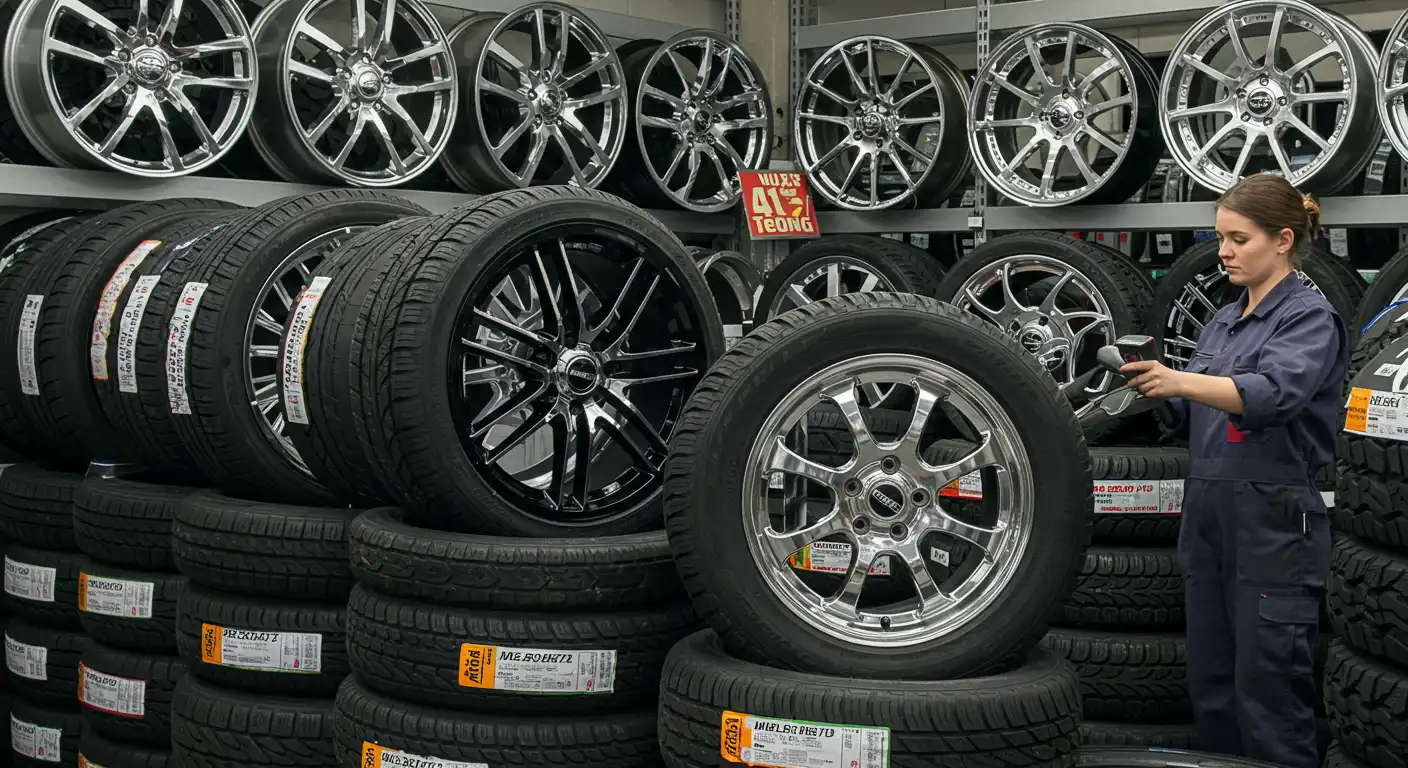
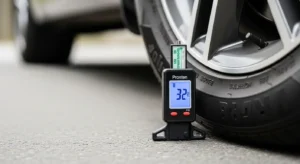
One of the most straightforward ways to improve fuel efficiency is by ensuring your tires are properly inflated. Underinflated tires can cause your vehicle to use more fuel, decreasing fuel economy by up to 3%. Proper tire inflation is a win-win; it saves you money on fuel, prolongs the life of your tires, and enhances your vehicle’s safety. Make it a habit to check your tire pressure monthly, as well as before embarking on long trips. Use a reliable tire gauge to make sure your tires are inflated to the manufacturer’s recommended PSI (pounds per square inch). This small action can make a big difference in your vehicle’s overall performance and fuel efficiency.
Avoid Excessive Idling
Many drivers tend to leave their cars idling, either when waiting in traffic or while parked for a short time. However, idling wastes fuel and increases emissions. Modern engines are designed to use less fuel when restarting than when idling for extended periods. If you’re stopped for more than a minute, it’s more fuel-efficient to turn off the engine and restart it when you’re ready to move again. This not only helps you save fuel but also reduces the wear on engine components, ensuring your car remains in good working condition for longer.
To dive deeper into the impact of idling on fuel efficiency, check out the insights available on FuelEconomy.gov.
Adopt Smooth Driving Habits
Aggressive driving, such as speeding, rapid acceleration, and harsh braking, can significantly decrease your vehicle’s fuel efficiency. Adopting smooth and steady driving habits is one of the easiest ways to improve fuel economy. By accelerating gently and braking gradually, you can optimize fuel usage and reduce the wear and tear on your car’s engine. When driving on highways, using cruise control can help maintain a consistent speed, further boosting your fuel efficiency.
Reduce Vehicle Weight and Drag
The heavier your vehicle and the more air resistance it faces, the harder your engine has to work to move it. Extra weight, whether from items in your trunk or the installation of a roof rack, adds unnecessary strain on your vehicle and lowers its fuel efficiency. To improve your car’s fuel economy, remove unnecessary items from your vehicle to lighten the load. If you have a roof rack that you’re not using, take it off to reduce drag. Additionally, ensuring that your car’s body is streamlined can help reduce air resistance, allowing for smoother travel with less fuel consumption.
Regular Maintenance and Engine Tune-Ups
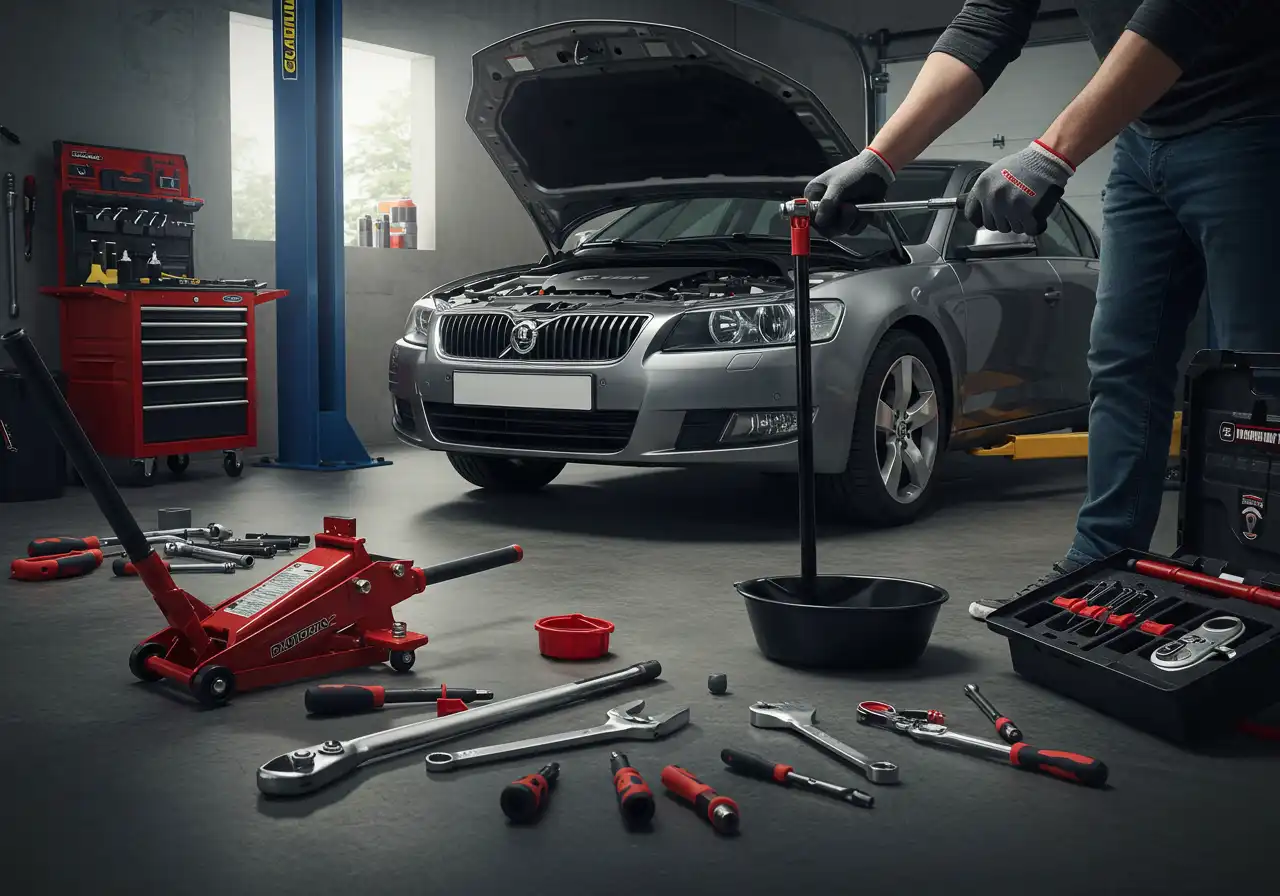
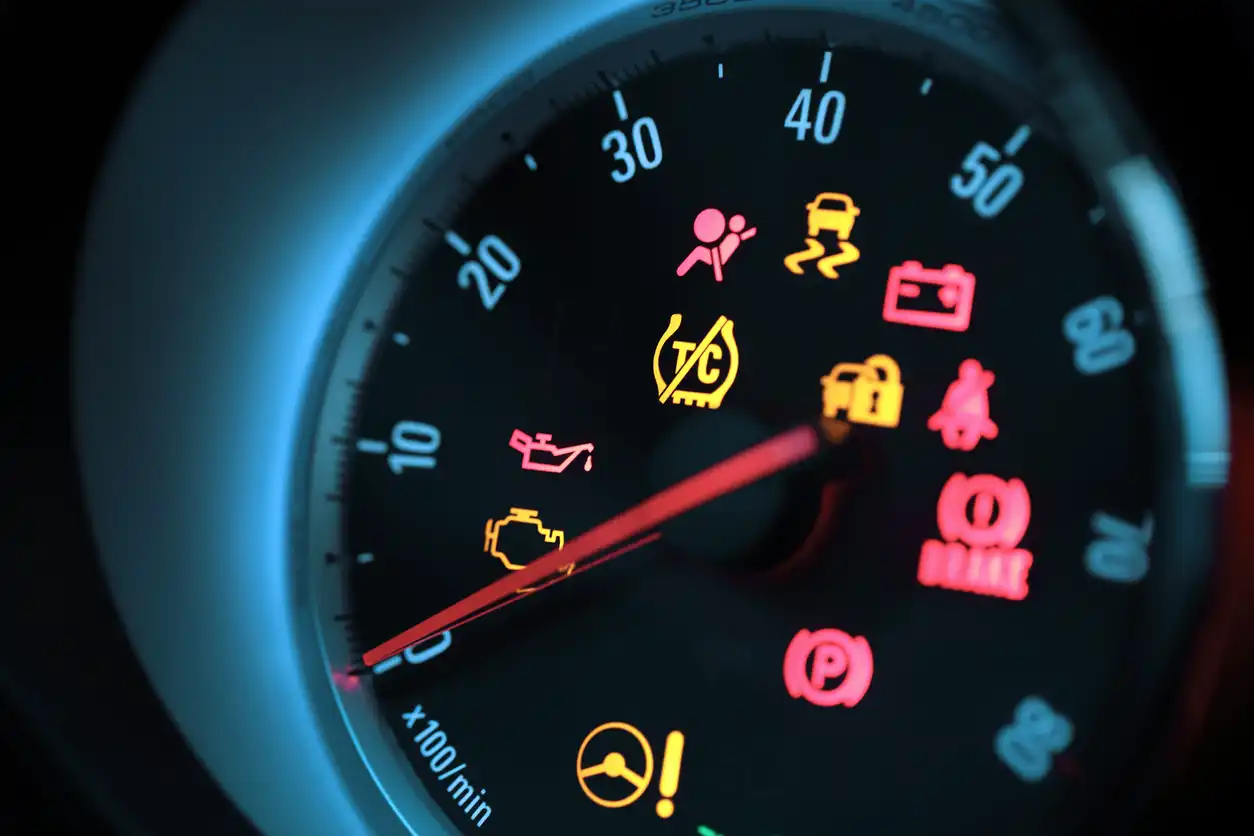
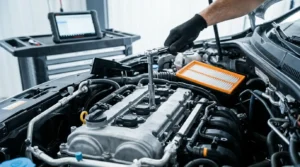
One of the most important aspects of ensuring fuel efficiency is to keep your vehicle well-maintained. Simple engine problems can cause a significant decrease in fuel efficiency. Regular maintenance such as changing the air filter, replacing worn spark plugs, and getting oil changes at the recommended intervals can significantly enhance fuel economy. A clean air filter, for example, can improve fuel efficiency by up to 10%. Regular tune-ups also help to ensure your engine runs smoothly, which not only saves you money on fuel but also reduces the likelihood of expensive repairs in the future.
Plan Your Trips Wisely
The way you plan your trips can also play a huge role in improving fuel efficiency. Instead of making several short trips, try to consolidate your errands into one trip. This reduces the time your car spends idling and the total distance traveled. Using a GPS app to check for traffic can also help you avoid congestion, which often leads to idling and stop-and-go driving. By planning your routes more effectively, you can reduce unnecessary fuel consumption and save both time and money.
For additional ways to optimize your driving, consider checking out this guide on How to Make Smarter Driving Choices.
Drive at Lower Speeds
While it may be tempting to speed on the highway, driving at high speeds can lead to significant increases in fuel consumption. Driving at speeds over 50 miles per hour can decrease fuel efficiency by up to 15%. To maximize fuel efficiency, stick to the speed limit and avoid sudden acceleration or sharp braking. Driving at a consistent, moderate speed helps conserve fuel and ensures that you’re driving safely and efficiently.
Consider Alternative Fuel Options
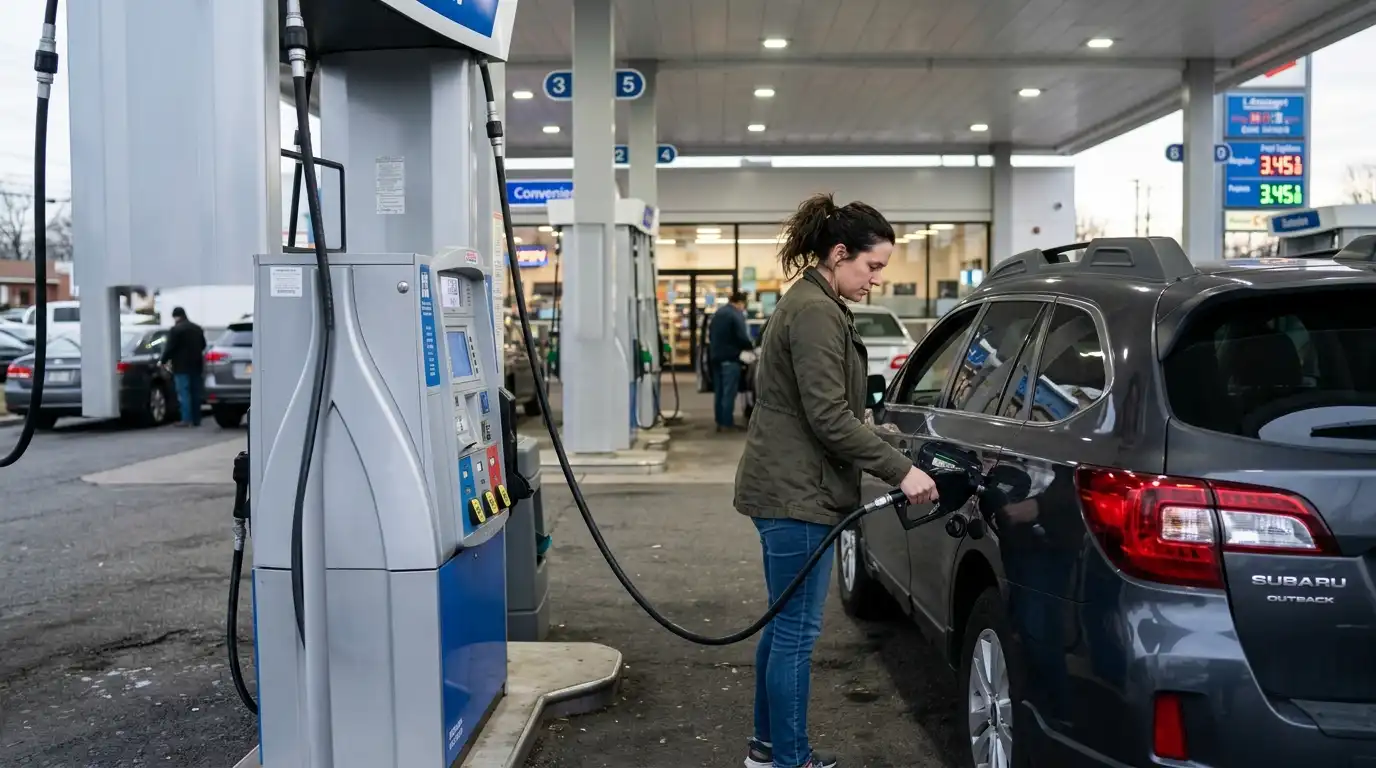
If you’re in the market for a new car, consider looking into alternative fuel options such as E85 ethanol, biodiesel, or compressed natural gas (CNG). These fuels often burn cleaner than traditional gasoline, which reduces emissions and helps you save on fuel costs in the long run. Many U.S. cities now have stations that offer alternative fuels, so it may be worth exploring this option if you’re interested in reducing your environmental impact. Additionally, hybrid vehicles that combine gasoline and electric power offer significant fuel savings without compromising on performance.
To learn more about alternative fuels and how to find stations near you, visit the Alternative Fuels Data Center.
Install a Fuel-Saving Device
In addition to traditional methods, some drivers choose to install aftermarket fuel-saving devices to enhance their vehicle’s fuel economy. These devices, which range from fuel additives to fuel magnets, claim to optimize engine performance. However, it’s important to do thorough research before purchasing such devices, as their effectiveness can vary depending on the make and model of your vehicle. Always consult with a mechanic to ensure that any modifications are compatible with your car and are proven to enhance fuel efficiency.
Switch to a More Fuel-Efficient Car
If you’re considering a new vehicle, switching to a more fuel-efficient car could be one of the best long-term solutions for saving money on fuel. Hybrid and electric vehicles, while having a higher upfront cost, can save you significantly on fuel and maintenance over time. Furthermore, these vehicles have a smaller carbon footprint, making them an eco-friendly choice. Whether it’s a fully electric car, a plug-in hybrid, or a gas-efficient model, choosing a car that gets more miles per gallon can drastically cut your fuel expenses.
For a detailed comparison of the best fuel-efficient cars in 2026, visit Edmunds.
Conclusion
Improving fuel efficiency is not only essential for saving money but also plays a crucial role in reducing your carbon footprint and helping the environment. By adopting simple driving habits, maintaining your vehicle, and planning your trips wisely, you can make a significant impact on your fuel economy. Whether it’s through regular maintenance or switching to a more fuel-efficient vehicle, every small change contributes to both your savings and the planet’s well-being. Keep these tips in mind and start driving smarter today.
For more tips on maintaining your vehicle and improving fuel efficiency, be sure to explore the other posts linked above.