Modern cars are packed with safety technology. A lot of drivers now rely on features like lane departure warning, automatic emergency braking, adaptive cruise control, blind spot alerts, and forward collision warnings without thinking much about how they work. These systems feel normal now. But behind the scenes, many of them depend on cameras, radar units, sensors, and software that must be positioned correctly to work as intended.
That is exactly why ADAS recalibration 2026 has become such an important topic. A repair that once looked minor can now affect the systems your vehicle uses to detect lanes, measure distance, and warn you about danger. Something as common as a windshield replacement, front-end repair, wheel alignment, or suspension adjustment may require recalibration. If that step gets skipped, the car may still drive, but the safety system may no longer react the way it should.
This matters for everyday car owners because many people still assume repair work ends when the visible damage is fixed. That is no longer true for a lot of newer vehicles. If your car has advanced driver assistance systems, the repair process often includes more than replacing parts. It may also require scanning, testing, and recalibrating the technology that helps protect you on the road.
If you are already working through general maintenance questions, this topic connects naturally with our guides on comprehensive auto repair and preventing common auto repairs.
Why ADAS recalibration matters more in 2026
Cars have changed fast over the last few years. More manufacturers now include driver-assistance features as standard or near-standard equipment, even on non-luxury models. That means more everyday repairs now involve systems that used to appear only on high-end vehicles.
What ADAS actually controls
ADAS stands for Advanced Driver Assistance Systems. It covers the technology that helps your vehicle monitor its surroundings and support safer driving. Depending on the model, this can include front-facing cameras, radar sensors in the grille or bumper, parking sensors, blind spot monitoring, rear cross-traffic alerts, traffic sign recognition, and lane-keeping support.
Windshield-mounted cameras
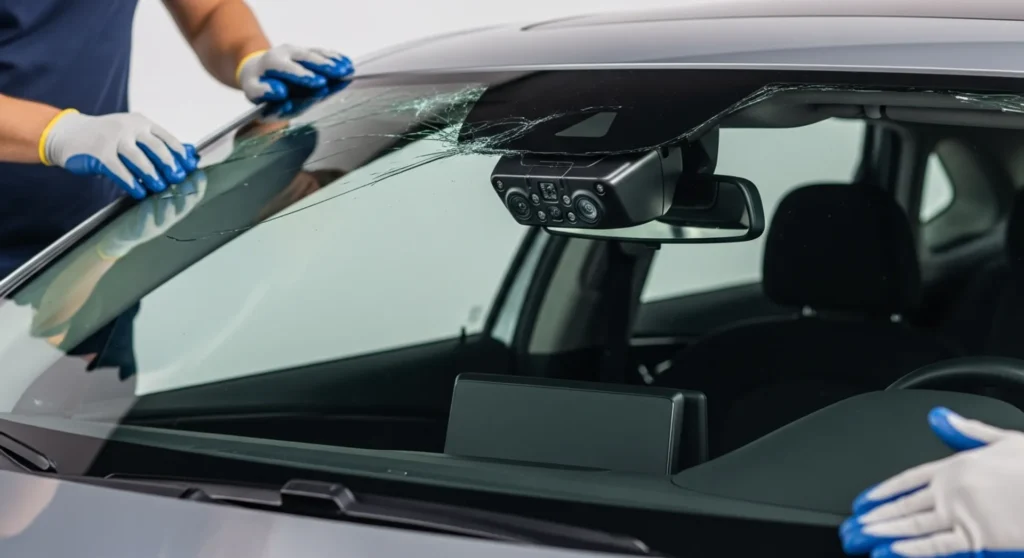
Many vehicles place important cameras near the top center of the windshield. These cameras help the car read lane markings, detect objects, and support emergency braking or lane assist features. If the windshield gets replaced, the camera position can change enough to require recalibration.
Bumper and grille sensors
Radar units often sit behind the bumper or grille area. Even a small shift during repair can affect how accurately the system measures distance and motion. A bumper repair may look cosmetic from the outside, but it can still affect the hardware behind it.
This is one reason many drivers underestimate the true complexity of modern repair work. The outside of the vehicle may look fine after service, but the electronic safety systems may still need specialized attention.
Repairs that commonly trigger recalibration
A lot of people think ADAS recalibration is only for major collision damage. That is wrong. Some of the most common jobs can trigger the need for calibration.
Windshield replacement
If your front camera sits against the windshield, replacing the glass can affect that camera’s angle and position. Even a small difference can reduce accuracy.
Alignment and suspension work
Ride height, wheel position, and suspension geometry all influence how certain systems interpret the road. If your shop performs alignment or suspension repairs, recalibration may be part of doing the job correctly.
That is why modern vehicle repair is becoming more connected. A driver may come in for a visible problem, but the correct fix may involve systems the driver cannot see at all.
How to know whether your car may need recalibration
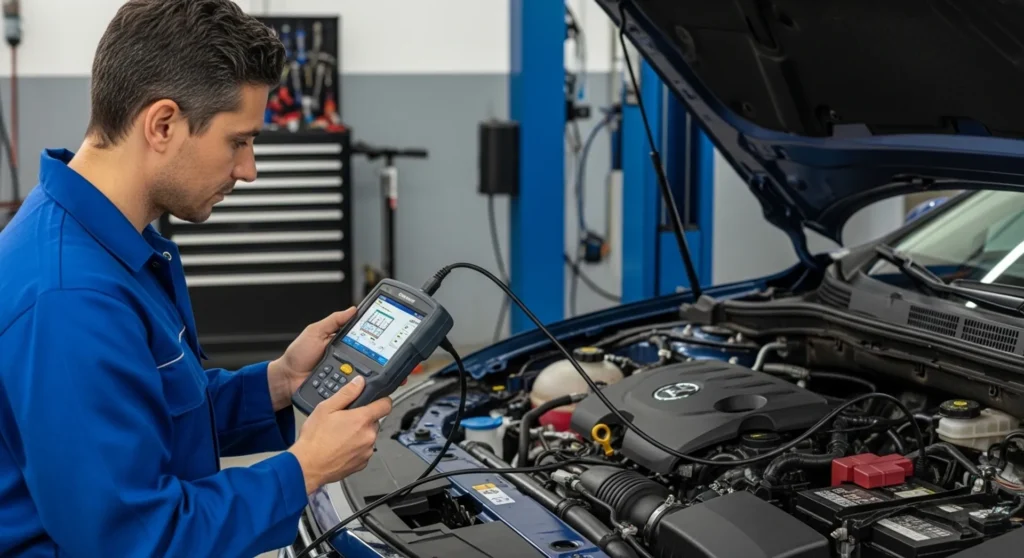
The hard part is that many drivers do not realize their car needs recalibration until something feels wrong. In some cases, there is no obvious warning at first. The car may start and run normally while the sensor system quietly becomes less accurate.
Warning signs drivers should not ignore
Sometimes the dashboard makes the issue obvious. You may see a warning for lane assist, collision alert, parking assist, or cruise control. Other times the signs are more subtle. A system may turn off unexpectedly, react too late, or give alerts at strange times.
If your car recently had windshield work, front-end repair, bumper replacement, wheel alignment, steering work, or suspension service, ask whether recalibration was performed. Do not assume it happened automatically.
This also ties into broader maintenance awareness. If you are used to watching for early changes in vehicle behavior, you are more likely to catch a problem before it grows. That makes this a good internal fit with our article on early warning signs your car needs a repair.
Why the right repair shop matters
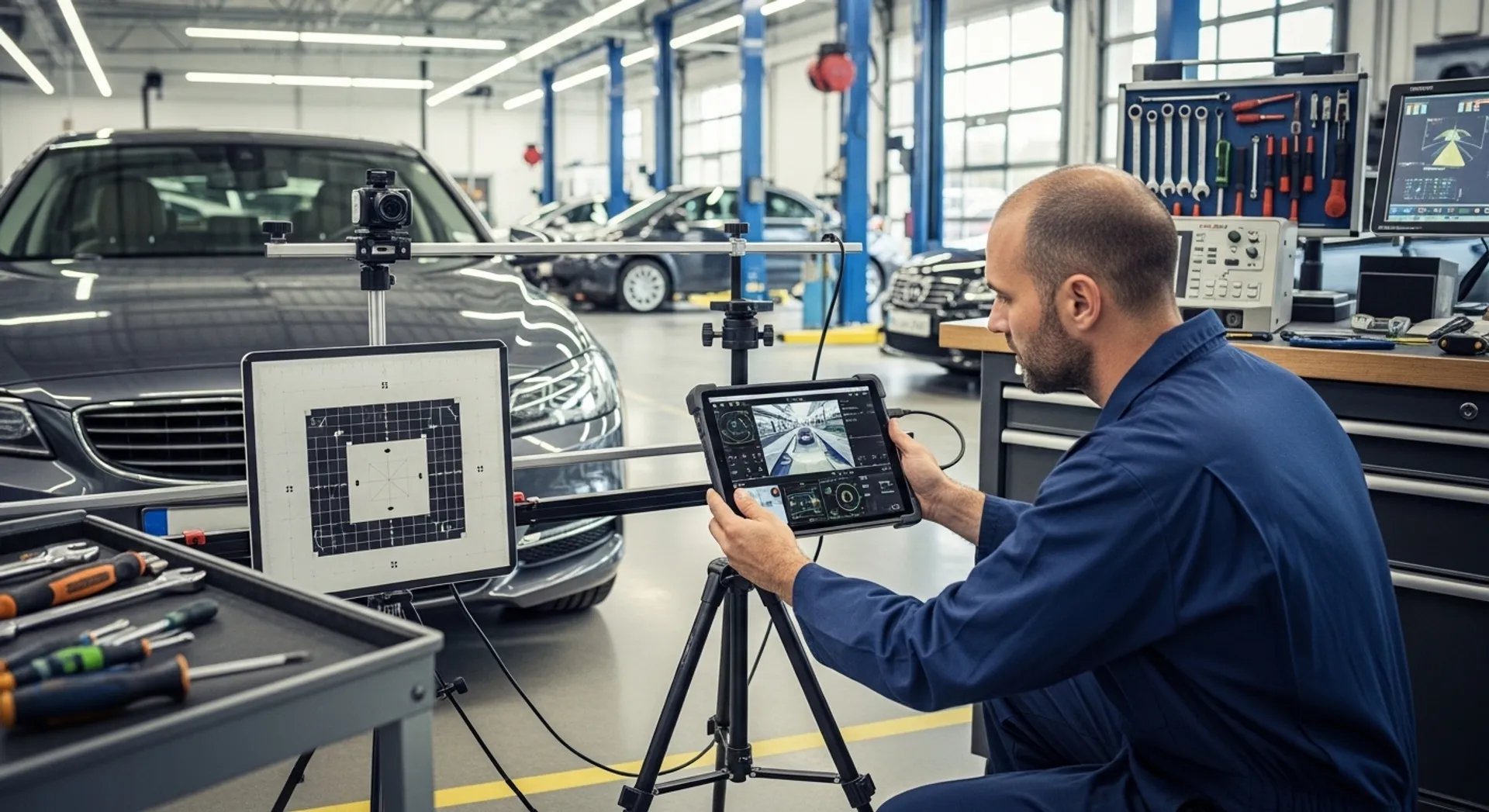
ADAS recalibration is not just another checkbox service. It depends on the right tools, the correct manufacturer procedures, and a technician who understands what changed during the repair. A shop that handles older-style repairs well may still struggle if it does not keep up with calibration equipment and repair standards.
That is why choosing a qualified shop matters more now than it did before. Repair quality is no longer just about replacing the broken part. It is also about restoring the system around that part so the vehicle performs safely when you get it back.
If you want a broader guide to that decision, read why choosing a trusted auto repair shop matters.
Questions to ask before approving the repair
Drivers do not need to become calibration experts, but they should ask better questions. A few simple questions can help you avoid incomplete work.
Ask whether your vehicle has ADAS features that could be affected by the repair.
Those questions matter because the cheapest repair is not always the complete repair. A lower quote may leave out important steps that affect safety later.
Brake systems show the same pattern in a different way. Many drivers wait until there is a serious symptom before taking action, which often makes the problem worse. That same mindset can hurt owners of ADAS-equipped vehicles too. If you ignore signs or skip follow-up checks, you increase the risk of a more expensive and more dangerous issue. Our post on brake inspection warning signs explains why early attention matters so much with safety-related systems.
ADAS recalibration 2026 is not just an industry buzzword. It reflects how much modern vehicles now depend on properly aligned safety technology. The car may look repaired, but if the camera or radar system is off, the job may still be incomplete. That is the real shift car owners need to understand.
The good news is simple. You do not need to fear modern vehicle technology. You just need to approach repairs with more awareness. Ask the right questions, work with a shop that understands today’s systems, and do not treat a sensor-related warning as something minor. A modern repair should restore both the visible condition of the vehicle and the hidden systems that help keep you safe.
For a strong outside authority source on driver-assistance technology and vehicle safety, you can review the NHTSA guide to driver assistance technologies. It helps explain why these systems matter and why proper function is critical after repair work.